
Utilities, metering and energy guides for schemes
Practical guidance for reading accounts, investigating meters, managing utility projects and comparing energy options.
In short
Utility decisions become clearer when a scheme can connect the municipal account, meter, physical service, reading, responsibility and next action. Dev 360 One helps trustees and managing agents clarify the issue, bring in suitable utility or energy capability, agree scope and responsibilities in writing, coordinate checks or installation and organise records. The scheme decides, appoints and pays; specialists remain responsible for technical findings, work, certificates and warranties.
Signs a utility review is needed
Start when the account, reading, physical service or responsibility no longer tells the same story.
- A bill changes sharply without a clear event
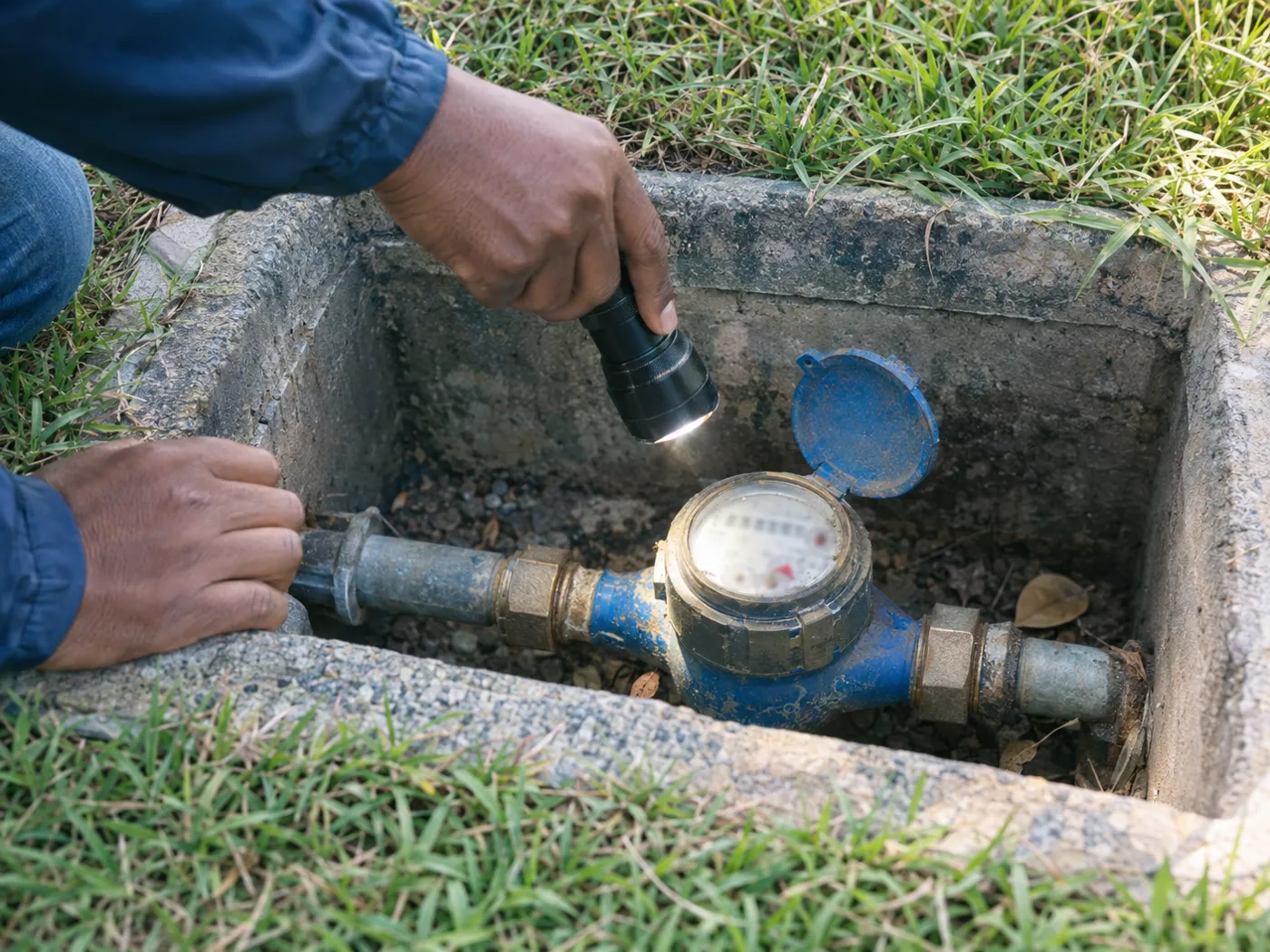
- Meters are not mapped to units or common areas
- Night flow suggests movement when use should be low
- A provider proposal promises savings without a baseline
- An installation left missing identifiers or records
What we coordinate
We connect the question, evidence, capability, written scope, delivery and records without taking the scheme's decision away.
- Read accounts and separate current use from balances
- Map meters, assets, services and responsibilities
- Define a leak, reading, energy or equipment scope
- Compare providers and clarify assumptions
- Coordinate testing, installation and handover
What the specialist owns
Technical responsibility remains with the appointed provider for the work it specifies or performs.
- Technical findings and recommendations
- Installation, testing and workmanship
- Certificates and technical reports
- Warranties and product information
- Correction of its incomplete or defective work
What the scheme decides
Trustees and authorised scheme representatives govern the route, appointment, payment and communication.
- The utility problem and desired outcome
- Provider selection and appointment
- Access, approvals and material variations
- How costs or use are administered
- Acceptance, maintenance and future records
What to have ready
A small evidence pack makes the first utility conversation practical.
- Recent municipal accounts and payment references
- Meter schedule, photographs and reading history
- Maintenance calls, leak notes and equipment records
- Plans, access information and prior reports
- Meeting records and the person authorised to decide
Utility problems rarely sit in one document. A municipal account may show a charge without explaining the meter. A meter schedule may show a device without proving which unit or common area it serves. A proposal may offer smart metering, backup power, solar or a leak check without defining data, access, maintenance or handover. These guides connect the pieces. They cover actual and estimated readings, bill queries, bulk and sub-metering, prepaid and smart systems, consumption reports, night-flow checks, backup power, solar feasibility, EV charging and gas installations. They also address shared services, generator noise, provider selection, savings claims, meter installation, replacement decisions, records, unusual consumption and fair proposal comparison. Dev 360 One helps clarify the scheme's question, match suitable capability, agree scope and responsibilities in writing, coordinate delivery and hand over records. The scheme decides, appoints and pays. Specialists remain responsible for their technical findings, work, certificates and warranties.
Who it's for
What each reader gets from utilities, metering and energy
Trustees
You are weighing unusual accounts, leaks, energy projects, meter changes and resident impact without a reliable utility picture.
You get mapped evidence, defined options, comparable proposals, practical controls and a usable utility record for the next decision.
Managing agents
You need a repeatable way to administer utility accounts, access, providers, notices, readings and technical follow-up across schemes.
You get structured intake, clear responsibilities, coordinated specialist work, response tracking and handover records that fit the scheme file.
What you get
The deliverables, plainly.
- An account and meter reviewStatements, periods, readings, identifiers, charges, payments, physical evidence and discrepancies reconciled for one service.
- A utility system mapBulk meters, sub-meters, common uses, equipment, accounts, providers, access and responsibilities linked in a current view.
- A defined investigation scopeLeak, reading, device, billing, noise, gas, backup or energy questions written for proportionate specialist assessment.
- A fair proposal comparisonScope, assumptions, access, equipment, testing, support, maintenance, variations and handover compared on one sheet.
- An installation or transition planAppointments, isolation, resident notices, testing, data, asset identifiers, records and open items sequenced before work.
- A usable utility fileReadings, photographs, certificates, warranties, maintenance dates, queries, decisions and unresolved items indexed for future use.
Guides · 20
Guides on utilities, metering and energy
Short answers · 40
Questions about utilities, metering and energy
How should trustees review a municipal utility account?
Trustees should check account identity, service period, meter, opening and closing readings, actual or estimated status, tariffs, adjustments, payments and balance. Compare the statement with photographs and prior accounts. Separate current consumption from arrears before deciding that a total is unusual.
What is an actual meter reading?
An actual meter reading is a recorded value taken from the identified physical or verified remote meter at a stated date. Keep the identifier, units, reading status and supporting evidence together. Actual does not remove the need to check that the correct meter was linked to the account.
What is an estimated utility reading?
An estimated utility reading is calculated when a verified capture is unavailable or unsuitable. It may later be corrected by an actual reading. Mark estimated periods in the history and compare the combined periods before treating a later correction as a sudden change in consumption.
How can a scheme query a municipal bill?
A scheme can query a municipal bill by naming the account, meter, period, disputed line, evidence and requested response. Attach statements, dated meter photographs and payment references. Ask for a correction or explanation in writing, then check a later statement to see whether it was applied.
What is bulk metering?
Bulk metering measures utility entering a scheme or building at a main supply point. It supports account reconciliation and total consumption analysis. It does not show how each unit or common area used the supply, so internal questions may require sub-metering and a map of unmeasured uses.
What is sub-metering?
Sub-metering measures selected units, areas or services within the bulk supply. It can improve visibility of internal use, but readings depend on coverage, timing, device condition and correct mapping. A gap between bulk and sub-meter totals is evidence to investigate, not automatic proof of waste.
Should a scheme install smart meters?
A scheme should install smart meters only after defining the operating problem, data need, resident support, outage process, maintenance and handover. Smart communication does not eliminate device, mapping or data errors. Compare the complete service and failure route, not the device demonstration alone.
What should prepaid metering questions cover?
Prepaid metering questions should cover credit, faults, resident support, emergency access, outages, disputed readings, data, maintenance, correction and scheme administration. Ask who supports a resident when the device or communication route fails and how the scheme receives an auditable record.
How can a scheme make consumption visible?
A scheme can make consumption visible by mapping meters, using consistent reading dates, separating common and unit use, showing units and status, and recording exceptions with actions. Reports should connect each figure to a physical asset and explain what trustees should decide next.
What does night flow indicate?
Night flow indicates water moving during a selected low-use period. It may suggest a leak, but pumps, irrigation, tanks, cleaning or other legitimate systems can also operate then. Confirm meter identity, timing and legitimate use before commissioning targeted isolation or leak testing.
How should water leaks be investigated?
Investigate water leaks through account and meter checks, dated readings, legitimate-use review, staged isolation, common-area inspection and targeted unit access. Record evidence before repairs change the condition. Separate a technical finding from the later decision about payment or responsibility.
How should a scheme compare backup power?
Compare backup power by essential loads, outage duration, transfer, site space, ventilation, fuel or charging, noise, safety, maintenance and handover. A generator, battery or other route may suit different needs. Capacity on a brochure is not proof that the proposed system supports the building's actual loads.
What belongs in a solar feasibility review?
A solar feasibility review should cover roof condition, shade, usable area, structure, access, electrical capacity, common loads, storage, safety, maintenance and assumptions. It should state what the study establishes and what later design or installation work remains. Forecast savings are scenarios, not guarantees.
What should an EV charging assessment cover?
An EV charging assessment should cover parking rights, charger location, capacity, protection, cable route, metering, load management, access, maintenance, data, future demand and removal. The scheme should adopt a repeatable approval standard rather than approve each socket through an informal exception.
What should trustees ask a gas installer?
Trustees should ask about registration or accreditation evidence, exact scope, affected appliances, isolation, ventilation, access, testing, certificates, emergency response, maintenance and handover. The installer should identify what it will not inspect or certify. Keep unresolved technical findings open with an owner and date.
What are shared utility services?
Shared utility services supply more than one unit or common facility, such as bulk water, common electricity, pumps, lifts, gas plant or backup power. Review them by mapping source, equipment, meter, contract, user, maintenance duty, access and payment. Written boundaries should match physical reality.
How should a scheme assess generator noise?
Assess generator noise by recording time, duration, load, operating mode, affected locations, vibration, exhaust and resident reports. Inspect the equipment and pathway under representative conditions. A control must preserve ventilation, access, safety and maintenance rather than simply block sound. The action should remain visible until closed.
How should a scheme choose a utility provider?
Choose a utility provider by defining the work, checking relevant capability, registration or accreditation, confirming capacity, comparing exclusions and requiring testing, support and handover. A qualification is only one part of suitability. The provider must match the actual asset, access and technical risk.
Why cannot utility savings be promised?
Utility savings cannot be promised because occupancy, weather, tariffs, behaviour, equipment, maintenance, measurement and operating conditions change. A scheme can approve a defined project with a baseline, assumptions and measurement plan. Dev 360 does not fund, approve credit or guarantee outcomes.
How should a scheme prepare for meter installation?
Prepare an asset schedule, locations, existing identifiers, access appointments, isolation plan, installation standard, resident notices, testing method, data format and handover list. Record old and new readings and failed access. A device is not a completed project until it is mapped and verified.
When should a water meter be replaced?
Investigate replacement when evidence shows damage, implausible readings, failed testing, obsolete equipment, unreliable communication or repair that will not restore useful measurement. First check leaks, mapping, timing and reading method. Replacement should preserve old identifiers, final readings and the new commissioning record.
How can utility records stay usable?
Keep a dated index linking accounts, meters, locations, services, readings, photographs, providers, certificates, warranties, maintenance and open items. Update it after each installation, replacement, query or correction. The index should let a new person trace an account to the physical asset.
What should trustees do after a consumption spike?
Verify the account period, meter identity, reading status and arithmetic, then review occupancy, weather, leaks, repairs, equipment and common uses. Record the event timeline and choose a proportionate query, reading, isolation, meter test or monitoring action. Do not assume resident misuse or device failure.
How can utility proposals be compared fairly?
Compare utility proposals against one outcome and the same information, then check scope, site survey, access, equipment, testing, support, maintenance, variations and handover. Share material clarifications with every provider. A lower total may omit enabling work or future service responsibility.
Who owns utility meter data?
The scheme should establish data ownership, access, retention, correction and export in its provider terms and administration process. A device or platform should not leave the scheme unable to retrieve its own utility history if the provider changes. Limit access to the project purpose.
Should accounts and meter records be reconciled monthly?
Use a routine suited to the scheme's services and risk, with consistent reading periods and documented exceptions. Frequent review can help during a leak or installation, but monthly repetition does not fix wrong identifiers or incomplete coverage. The method matters as much as frequency.
What is a useful meter register?
A useful meter register records service, account, identifier, location, served area, units, reading method, provider, responsibility, verification date, maintenance and status. Link it to photographs and reports. Mark devices removed, inaccessible, disputed or awaiting replacement instead of deleting them. This makes the next review easier to explain.
Can a high water bill prove a leak?
No. A high water bill may result from a leak, common use, irrigation, occupancy, a longer period, estimated readings, an adjustment or a genuine change. Check the account, meter, night flow and site conditions before choosing an investigation. Record the condition before changing the equipment.
What should a utility handover contain?
Utility handover may contain final scope, identifiers, readings, photographs, test results, certificates, warranties, manuals, maintenance instructions, data exports and open items. The required record set follows the asset and signed scope. Ask for it before the provider leaves while access and information remain available.
How should schemes handle meter access failures?
Record unit or area, appointment, notice, access result, reason, next action and effect on testing or programme. Do not quietly mark the work complete. An inaccessible meter can leave an account, leak investigation or installation schedule incomplete. Use the approved scope as the comparison point.
What should a utility scope exclude?
A utility scope should identify work not included, such as civil work, access equipment, concealed defects, private-unit repairs, data migration, ongoing monitoring or making good. Clear exclusions are safer than a phrase such as everything necessary, which hides the boundary.
When is specialist utility testing justified?
Specialist testing is justified when account and site records cannot explain a material change, or when a leak, device, gas, electrical or energy condition could create continuing risk. Define the question, method, access and output before appointing the specialist. Keep the source and date with the scheme file.
Should trustees approve a technology demonstration?
A demonstration can inform a decision but should not substitute for a site assessment, scope, data, failure process and handover requirements. Ask providers to answer the same questions and label assumptions. Approve a defined next step, not a screen or device alone.
How should owners be told about utility work?
Tell owners what was found, what evidence supports the work, what access or interruption is expected, what the scheme approved and when the next update will come. Use the agreed managing-agent route and avoid presenting a suspected cause or saving as a confirmed result.
What does a good utility decision record show?
A good decision record shows the issue, evidence, options, scope, authority, provider, access, risks, owner impact, approval, tests and next review. Attach the account, report, comparison and clarifications. Future trustees should understand the route without reconstructing private messages. Keep unresolved actions in the record until an owner and completion evidence are recorded.
What if two providers give different utility advice?
List the findings, evidence, assumptions and decision affected. Ask for a defined independent assessment or clarification where needed. Do not average unlike advice or hide disagreement in a preferred quote. Record which evidence supported the decision and what remains uncertain.
Can utility projects be phased?
Utility projects can be phased by meter group, building area, service, evidence stage or essential load. Define the phase boundary, access, test, resident communication, handover and release condition. A pilot can expose data and support problems before a larger installation.
Who decides a utility project?
The scheme's authorised decision-makers decide the scope, procurement, appointment, payment, access arrangements and material changes. The managing agent retains client relationship and administration. Specialists provide technical findings and perform their appointed work. Coordination supports the route but does not replace authority.
Does Dev 360 One install meters directly?
Dev 360 One clarifies the scheme need, matches agreed specialist capability, puts scope and responsibilities in writing, coordinates delivery and organises handover. The appointed specialist remains responsible for its technical work, certificates and warranties, while the scheme decides, appoints and pays.
How should a scheme review a utility provider's performance?
Review delivery against scope, access, programme, tests, records, open items, response and technical responsibility. Record defects and missing documents separately. A useful review ends with corrective actions, owners and dates rather than a general impression of whether the provider was helpful.