
Utilities, metering and energy · 5 min read
How can a scheme query a municipal utility bill?
A strong utility query identifies the account, period, reading, charge and requested correction instead of sending a general complaint.
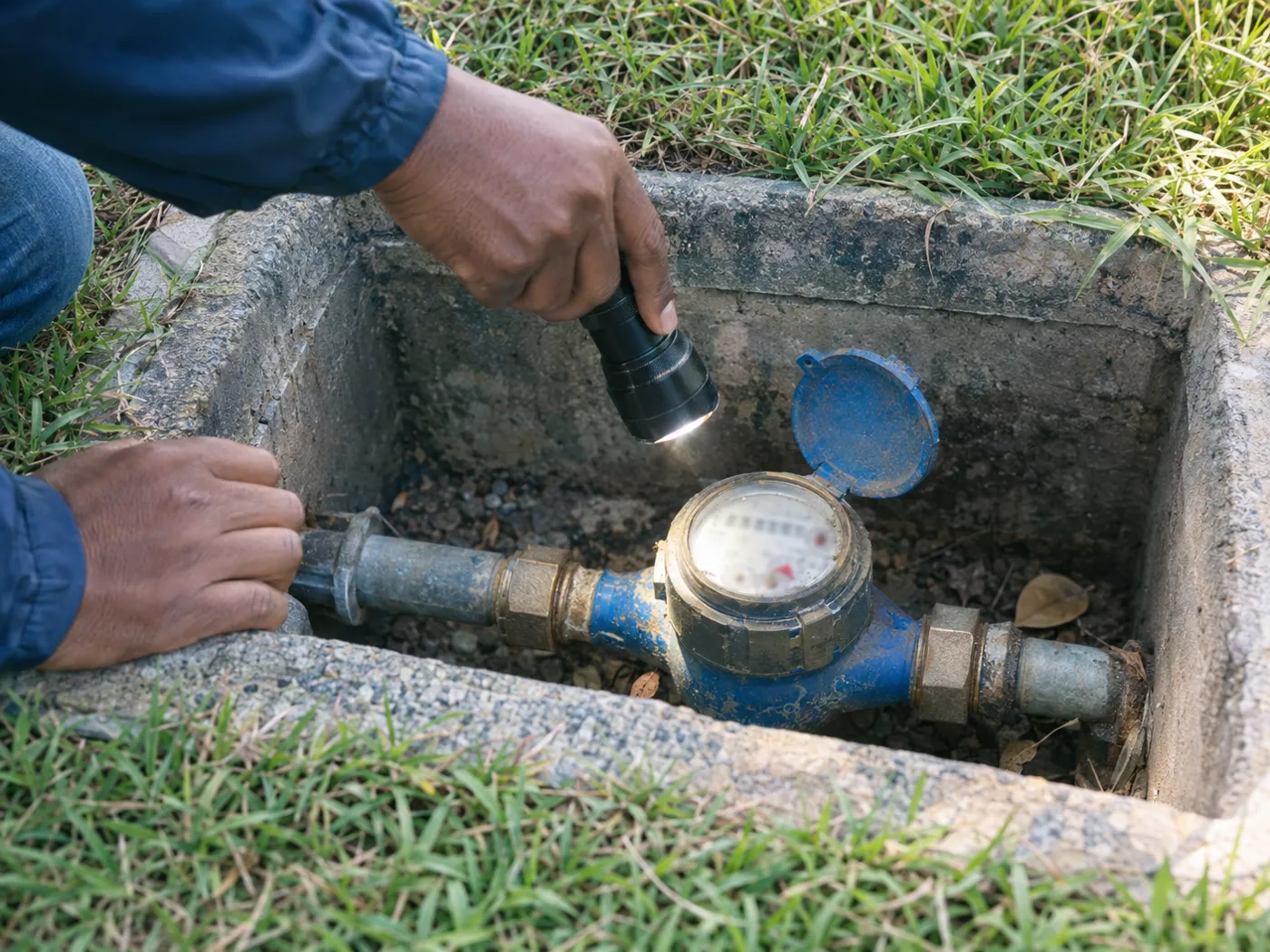
In short
A scheme can query a municipal utility bill by identifying the account, meter, period, disputed line, reading status, supporting evidence and requested response. Attach statements, dated photographs and payment references. Ask a focused question such as correct the meter link or explain the adjustment, rather than simply saying the bill is wrong.
Key takeaways
- Name the exact account line and period under question.
- Attach evidence that lets the recipient test the query without guessing.
- Ask for a written explanation, correction or confirmation of the account position.
A municipal bill query works best as a reconciliation note, not an angry paragraph. State what the account says, what the scheme's records show and what answer or correction is needed. Dev 360 One can organise the evidence and coordinate a utility specialist where the issue needs technical testing. The scheme and its appointed representatives remain responsible for the account relationship and decisions.
Identify the disputed bill line
Write the account number, service address, meter identifier, service, statement date and covered period. Then quote the line that needs explanation: opening reading, closing reading, consumption, tariff, adjustment, payment or balance. A recipient should be able to find the disputed item in under a minute.
A query that says water is too high asks the municipality to diagnose a conclusion. A query that says the closing reading is higher than the dated photograph of the same meter on the same period end date asks a testable question.
Use neutral wording in the query. The aim is to obtain a correction or explanation that can be checked, not to force the recipient to defend a conclusion. Numbered questions are easier to answer than a narrative containing several assumptions.
If the query affects a trustee decision, summarise the issue in the meeting pack and state what evidence remains outstanding.
Build the evidence bundle
Attach the relevant statements, preceding and following account, meter photographs, reading schedule, payment proof and notes about access or changes. Label each file with date and purpose. Avoid sending an entire unindexed archive that hides the important evidence.
If a meter was replaced, include the removal and installation dates, old and new identifiers and readings where available. If a payment is missing, include the reference and bank date separately from the consumption evidence.
Querying a municipal utility bill: ask how the response will appear on a future statement. A promise to investigate is different from a credit, corrected reading, account transfer or revised balance. Keep the reference until the next document confirms the action.
Ask one question at a time
Separate account identity, reading, tariff and payment questions. Several issues may share one account, but each needs a clear response. Ask whether the account is linked to the correct meter, which reading status was used, how an adjustment was calculated and how a correction will appear.
This does not mean the scheme must send four letters. Use headings in one query and number the requested answers. A numbered response makes it easier to update the trustee record and decide whether more evidence is needed.
If the account holder must submit a form or authorisation, identify that requirement early. A technically sound query can still stall because the person who sent it cannot request the account change.
Separate a reading discrepancy from a charge or payment discrepancy. For a reading issue, identify the meter, reading date, unit and whether the value was actual or estimated. For a charge issue, name the tariff line, adjustment or account period in question. This helps the recipient route the query to the right record instead of responding with a general account summary.
Keep a copy of the exact query, attachments and reference number. When a response arrives, compare it with the question asked and note any item left unanswered. If the reply promises a correction, identify the statement period in which it should appear and check that document before closing the follow-up. A courteous, numbered request is easier to track than an expanding email thread.
Track the response and consequence
Record date sent, recipient, reference, response, action and effect on the next account. If the response says an inspection or actual reading is needed, add that to the project list. If a correction is promised, check the next statement rather than closing the matter when an email arrives.
Do not withhold an ordinary payment solely because a query exists without understanding the scheme's obligations. Record the queried amount and obtain appropriate professional advice where the account position could create a serious legal or financial consequence.
Share the response with the people who approve payments and maintain the meter file. The correction should update both the account history and the physical evidence record.
When the provider replies, classify the result as explanation received, correction pending, inspection required, evidence still missing or no change made. These statuses prevent an acknowledgement email from being mistaken for a resolved account. If the account holder must authorise a correction, name that person and record the required document so the next step does not sit in an unowned inbox.
Prepare one focused bill query
Choose the clearest unresolved bill issue. Use five headings: account, period, disputed line, evidence and requested response. Attach no more than the records needed to test it. Save the outgoing query and reference beside the account history.
- Record the account, meter, period and disputed line.
- Attach the relevant statements, reading evidence and payment references.
- State the question or correction requested.
- Name the response owner and follow-up date.
- Check the next statement against the promised correction.
What you get
What you get from Dev 360 One
- A query brief
- Account identity, disputed line, evidence and requested response written in a form a utility provider can test.
- An evidence index
- Statements, photographs, readings, payment references and site notes labelled and cross-referenced.
- A response tracker
- Query dates, references, replies, corrections and next actions kept visible for trustees and agents.
- An escalation scope
- A defined meter investigation or specialist review where account evidence alone cannot settle the issue.
Questions
Should a scheme query a bill by phone?
A phone call may be useful for a quick clarification, but record the date, person, reference and answer, then request important corrections or explanations in writing. Keep the written response with the statement and check a later account for implementation.
What evidence is most useful?
The relevant statement, preceding and following account, dated meter photograph, meter identifier, reading schedule and payment reference usually give the query shape. Add site notes only where they explain access, replacement, vacancy or a known leak.
What if the municipality does not respond?
Record the query, reference and follow-up dates, then use the appropriate escalation route available to the account holder. Keep paying and account decisions separate from the evidence request unless an appropriate adviser directs otherwise.
Keep reading