
Utilities, metering and energy · 5 min read
How can a scheme keep utility and meter records usable?
Usable utility records connect each account, meter, location, reading, responsibility and decision in a maintained index.
In short
A scheme can keep utility and meter records usable by maintaining a dated index linking accounts, meters, locations, services, readings, photographs, providers, maintenance, certificates and open items. Update the record after every installation, replacement, query or scope change. A folder is not a register unless someone can trace an asset from account to site.
Key takeaways
- Use one current index rather than scattered statements and private spreadsheets.
- Link every meter to a location, service, account, identifier and responsibility.
- Update records after changes and preserve the evidence behind corrections.
Utility records become unusable when the scheme cannot answer which meter serves which area, which account covers it, when a reading was taken or who maintains the device. Dev 360 One can help organise a usable record structure and coordinate a review. The managing agent retains scheme administration, with specialists supplying technical records.
Build the core index
Use fields for service, account, meter identifier, location, served area, owner, reading method, units, provider, last verification, maintenance date and record link. Add status: active, removed, inaccessible, disputed or to be checked. Avoid free-text descriptions that change from one file to another.
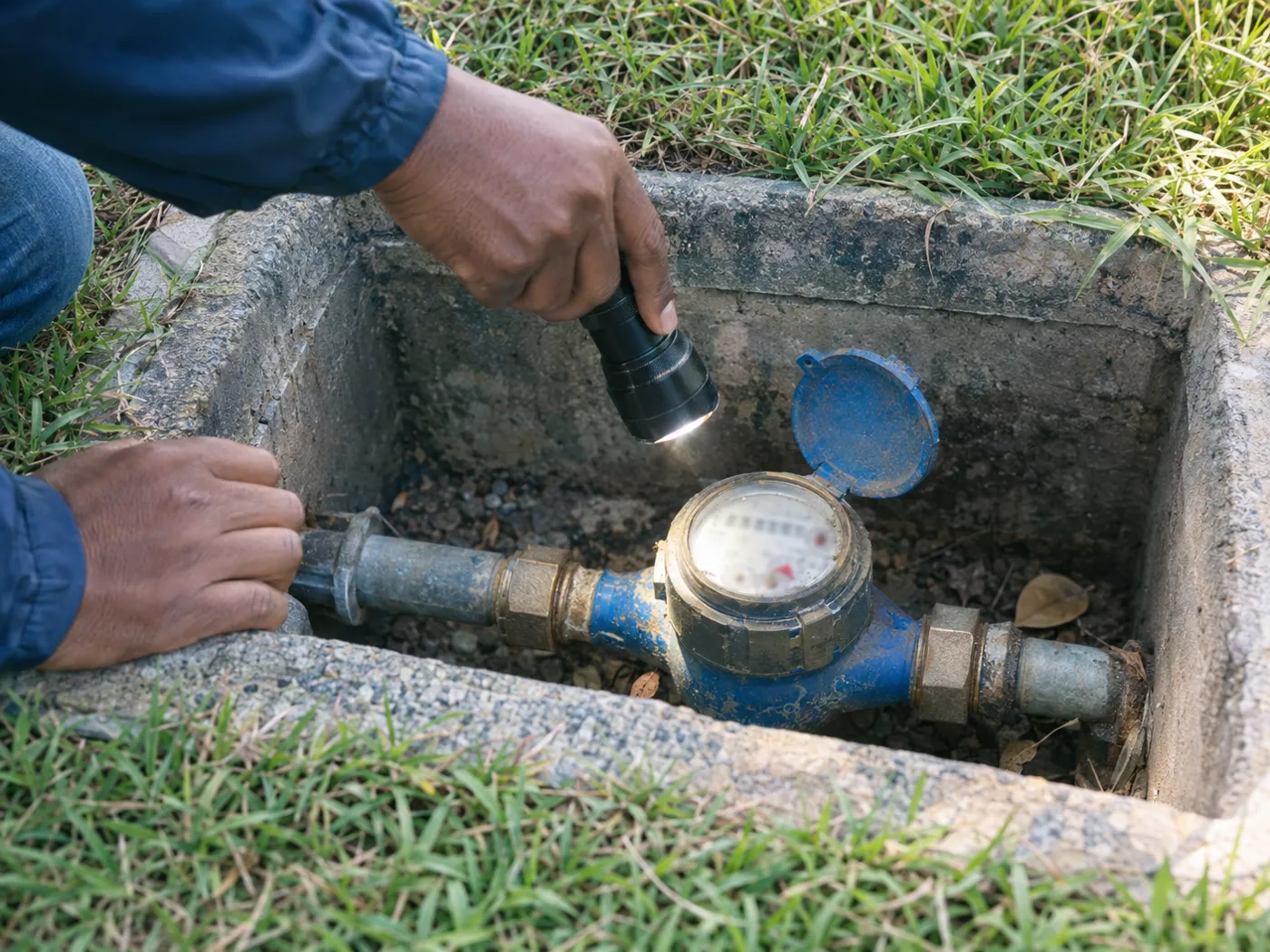
A common water meter entry should lead to account statements, physical location, photographs, sub-meter coverage and open queries. The index does not replace the documents; it makes them findable.
Use a current-record marker so people know which schedule controls. Do not circulate several spreadsheets with similar names and expect a trustee to identify the latest one.
A good index helps a new managing agent understand the system without relying on personal introductions.
The register should show confidence and gaps rather than pretending every entry has equal evidence behind it.
A records review is successful when another person can find the device and understand the next action without private context.
Use dates and version control
Name statements, photographs, schedules and reports with date and purpose. When a meter changes, retain old and new identifiers and mark which schedule version is current. Do not overwrite a reading history because a later correction arrives.
A future trustee should be able to see what the scheme believed at the time and what evidence changed it. That history is especially useful for disputes, leak investigations and provider changes.
Keep account statements linked to the meter they describe, even where the municipality changes an account number. Record the old and new number and the effective date.
Record responsibility and access
Add who reads, who can access, who maintains, who receives faults, who queries the account and who approves work. Record keys, plant-room routes and unit access process where relevant. Responsibility should follow the asset, not a person's memory.
If the managing agent changes, a clear index supports continuity. If a specialist changes, the outgoing provider can hand over asset identifiers, tests, warranties and open items.
When a record is corrected, explain the correction rather than silently replacing the value. A one-line note preserves confidence in the history.
Review the index deliberately
Set a review after installation, replacement, account correction, major repair or annual planning. Sample physical meters against the index. Check that statements, reading status, photographs and service boundaries still agree.
Do not wait for a billing dispute to discover that the meter schedule has not been updated for years. A short periodic check is easier than reconstructing the system during an urgent leak.
Include an open-items view for meters not read, not mapped, damaged, disputed or awaiting replacement. This turns the register into a management tool rather than a static list.
When a meter is replaced, keep the retired identifier, removal date and final reading alongside the new device information and first reading. Link both records to the account and service area so a later consumption change is not mistaken for a sudden leak or unexplained use.
If a municipal account changes number or coverage, record the effective date and the correspondence that explains the change. Do not overwrite earlier statements or readings. A timeline lets the scheme distinguish a billing-period change from a physical change at the site.
Give open entries a status, responsible person and next check date. Examples include inaccessible meter, uncertain unit mapping, disputed reading or missing certificate. Review the exceptions after a reading cycle and close each only when the source or physical check supports the update.
Reconcile a sample of account lines against the physical meter and the current schedule before relying on portfolio totals. Record the meter identifier, units, service, date and capture source together. If the mapping is uncertain, leave the entry open and arrange a physical check rather than copying a value into the register as if verified.
Test the meter index
For any meter that cannot be verified, preserve the latest known reading, the date and the reason for the gap. Ask the responsible person to arrange access or confirm the account mapping, then record the evidence used to update the index. A clear exception is safer than a guessed value.
Select ten meter entries and ask a second person to find the physical device, account, latest reading, photograph, provider and open item from the index. Record every failure and repair the structure before adding more documents.
- Sample entries against the physical meter and current account.
- Check identifiers, units, location, reading status and source date.
- Link statements, photographs, tests and provider records to each meter.
- Record corrections without overwriting earlier readings.
- Assign an owner and due date for every unresolved meter record.
What you get
What you get from Dev 360 One
- A meter register
- Service, account, identifier, location, served area, provider, responsibility and status linked in one index.
- A document structure
- Statements, photographs, readings, reports, certificates, warranties and decisions named and findable.
- A change log
- Installations, replacements, corrections, queries and scope changes preserved with dates and evidence.
- A records review
- Physical samples checked against accounts, schedules, access, maintenance and open items.
Questions
Should every utility document be kept forever?
Keep records according to the scheme's retention and professional requirements, with particular care for account history, approvals, certificates, warranties and asset changes. The key is a clear retention and indexing method, not an unmanaged archive of every duplicate.
Who owns the meter register?
The scheme administration route should hold the current register, usually through the managing agent or agreed file owner. Technical providers must supply changes and evidence. Name the person responsible for updating it after every project.
How often should records be checked?
Review after material changes and at a practical planning interval suited to the scheme. Sample physical meters against the index and check account and reading links. A shorter review is useful when the system has active disputes, leaks or installations.
Keep reading