
Utilities, metering and energy · 5 min read
What is the difference between an estimated and an actual reading?
An actual reading records the meter at a visit or verified capture; an estimated reading is a calculated value that may need checking before it guides a decision.
In short
An actual utility reading comes from a recorded meter value, while an estimated reading is calculated from available information or past use. Estimated readings can later be corrected when an actual reading is obtained. A scheme should record reading status, date, meter identity and the next action before treating a consumption change as real.
Key takeaways
- Check the reading status and date before interpreting consumption.
- An estimate can affect a later account when an actual reading corrects it.
- Use photographs and meter identifiers to make a reading independently traceable.
The distinction between estimated and actual utility readings matters because the account may describe a number that nobody saw on the meter. An estimate is not automatically wrong, and an actual capture is not automatically assigned to the correct account. Trustees need the status, date, meter identity and supporting evidence together. Dev 360 One can coordinate a reading review or specialist verification without taking over scheme approval.
Find the reading status and date
Look for words or codes indicating actual, estimated, unread, substituted or adjusted. Record the reading date, not only the statement date. If several services appear on one account, record the status for each meter. A single label at the top may not describe every line.
A meter photographed on 10 March and billed on 20 March is different evidence from a value estimated on 10 March and printed on 20 March. Keep those dates in separate columns so the sequence is clear.
Ask whether the account uses a person-supplied reading, a remote capture, an image or a calculation. The source affects how the scheme verifies it. Keep the supporting image or capture reference where the system provides one.
Keep the original statement when a later correction arrives. The history shows whether a future difference comes from use or from replacing an estimate.
Understand how estimates distort a pattern
An estimate can smooth a high or low period, then an actual reading can create a sharp correction. That jump may look like a leak or an energy spike when it partly reflects earlier under-recording. Compare the last known actual with the next actual and mark estimated periods between them.
Say a scheme receives two modest estimated water readings followed by a much higher actual reading. Ask how much consumption belongs to the combined period before treating the final month as abnormal. The answer may still require a leak check, but the account review should start with the reading history.
A reading can be actual for one meter and estimated for another on the same statement. Review each line rather than copying the headline status into the register. This small distinction often explains why a combined account looks inconsistent.
Verify the physical meter
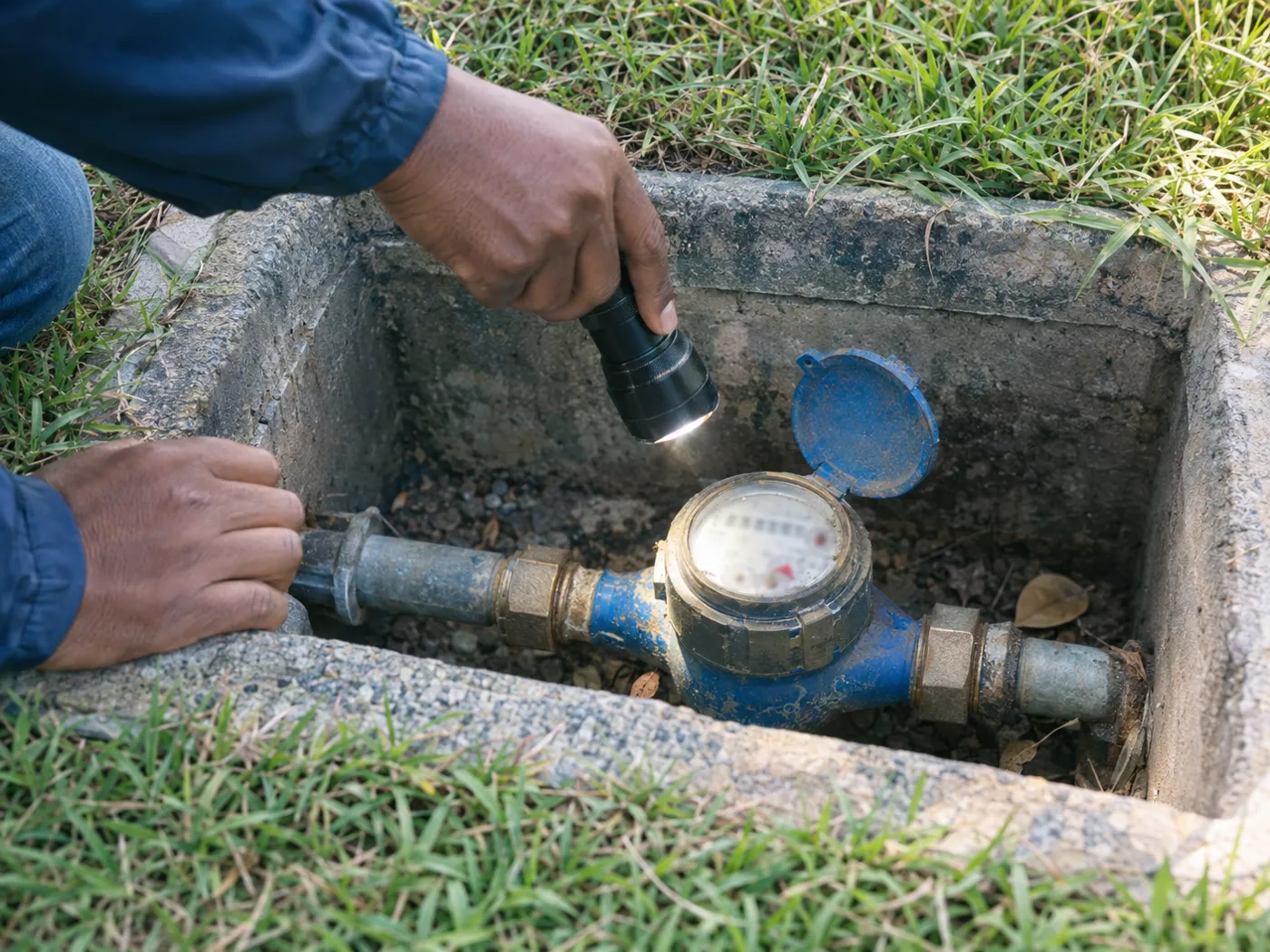
Check the meter number, location, display, units and access. Take a dated photograph showing the identifier and reading where possible. Note whether the meter is damaged, inaccessible, changing rapidly or shared with another service. Evidence without identity is difficult to reconcile.
For sub-meters, record unit or common-area location and the reading capture method. A spreadsheet value copied without a photograph or meter reference is a weak basis for billing or a municipal query.
When an actual reading corrects an estimate, compare the combined consumption across the two periods. The correction may be reasonable even when one monthly line looks extreme. Record the explanation so future trustees do not reopen the same question.
Choose the next action
If the account is estimated, request or arrange an actual reading where appropriate. If the reading is actual but the consumption is implausible, check the meter identity, units, account period and site condition. If the discrepancy remains, define a technical test or utility query.
Do not change a scheme's allocation method merely because one estimate looks unusual. First establish what the account records and what the physical meter shows. A clear evidence trail protects the next decision.
If access was impossible, record why and who attempted it. A missing capture is a project fact that should lead to an arranged reading, not an unexplained blank in the account history.
When a statement is corrected, retain both versions and identify which reading or adjustment changed. Reconcile the affected period using the meter identity, unit of measure and dates shown on the account. If the provider cannot explain the calculation, keep the amount marked for review and ask a focused question before changing a scheme allocation.
For a suspected unusual change, compare readings from the same meter across a consistent period and note any estimated interval, meter replacement or access gap. A sharp difference can warrant a leak or equipment check, but the statement alone does not identify the cause. Separate account verification from a technical investigation in the action record.
Where several meters feed one account, confirm the mapping before summing individual values. Record which readings are direct captures and which were supplied by another party. A dated image should show the meter number as well as the display; if either is unclear, mark the reading as needing verification rather than presenting it as certain.
Review a recent utility account
Take the last six utility statements and add four columns: reading date, status, meter identifier and supporting evidence. Mark every blank. Request only the missing items that could change the interpretation. The resulting list gives the managing agent a focused follow-up.
- Record each meter’s reading status and date.
- Match the meter identifier to the account line.
- Keep the original statement and later correction together.
- Request an actual reading when it could change the interpretation.
- Record access failures and the next reading owner.
What you get
What you get from Dev 360 One
- A reading history
- Actual and estimated values, dates, meters and account periods arranged to show corrections and gaps.
- A meter evidence check
- Photographs, identifiers, units and access notes matched to the account lines they support.
- A discrepancy explanation
- Possible effects of estimates, adjustments, rollovers and wrong identifiers separated from technical causes.
- A focused action list
- Requests for actual readings, account clarification or specialist testing prioritised by decision impact.
Questions
Is an estimated reading automatically a billing error?
No. An estimated reading may be used when an actual capture was unavailable, but the scheme should understand its basis and later correction. Record the status and compare the next actual reading before deciding whether a bill needs to be queried.
Can an actual reading still be wrong?
Yes. It may be linked to the wrong meter, wrong units, wrong date or a damaged display. Check the physical identifier and photograph rather than treating the word actual as proof of the whole account.
What should happen after an estimate?
Arrange or request an actual reading where appropriate, keep the date and evidence, and compare it with the account history. If the correction materially changes the balance or consumption picture, ask for a written explanation and retain it with the statements.
Keep reading