
Utilities, metering and energy · 5 min read
What should a scheme prepare before a meter installation?
Prepare the asset list, access route, installation standard, isolation plan, resident notices, testing and handover before meters arrive on site.
In short
Before a meter installation, a scheme should prepare an asset and unit list, locations, access appointments, isolation plan, approved scope, installation standard, resident notices, testing method, data format and handover requirements. Confirm who supplies, installs, reads and maintains the meters. A box of devices is not a project plan.
Key takeaways
- Map existing assets and access before ordering or scheduling installation.
- Agree isolation, identification, testing, data and resident communication in writing.
- Record failed access, uninstalled units and final meter identifiers at handover.
Meter installation succeeds when the scheme prepares the information and site around the device. Before mobilisation, confirm what is being measured, where each meter sits, how units will be accessed, how services will be isolated, how readings will be verified and what records the scheme receives. Dev 360 One can coordinate the preparation and specialist route; the scheme approves the work.
Create the installation schedule
List unit or area, existing meter, identifier, location, service, condition, access contact, appointment, new device and final reading. Include common areas and meters outside ordinary unit routes. Mark unknowns rather than filling them with assumptions.
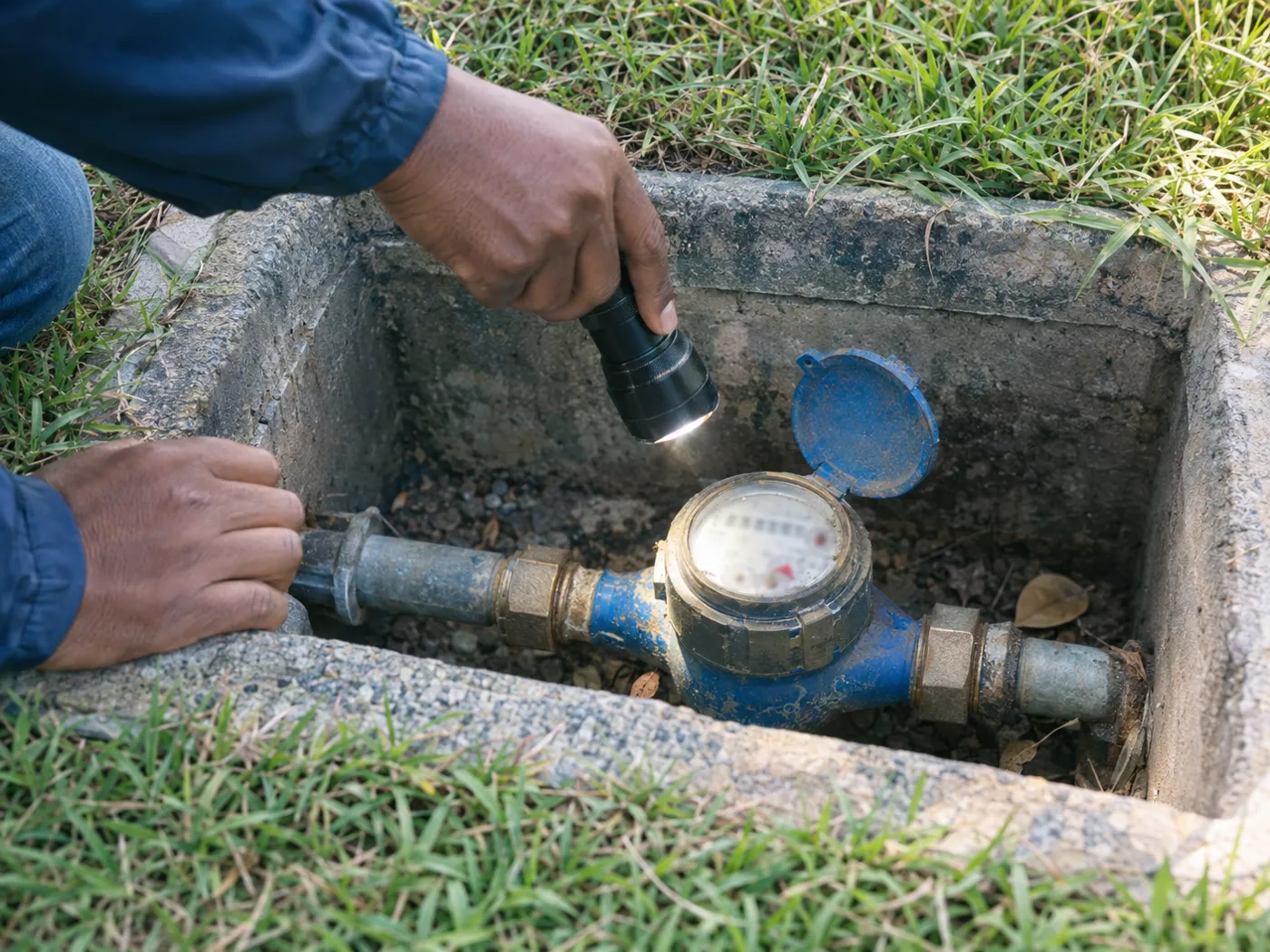
If the project replaces ageing water meters, the schedule should preserve old and new identifiers and readings. Without that chain, future accounts may be impossible to reconcile with the installation.
Confirm how old devices are handled and whether final readings are witnessed. The removal record should connect old and new identifiers so account corrections do not lose the transition point.
Use the first completed installation as a quality hold point. Check identifier, service, orientation, seal, photograph, reading and data transfer against the written standard. Resolve a mismatch before repeating the same method across the remaining units; otherwise one small mapping error can affect many future account checks.
Plan a route for units that cannot be accessed on the scheduled day. Record the notice, attempt, reason, next appointment and effect on commissioning. The final report should distinguish installed, tested, inaccessible and deferred devices so the scheme does not mistake a partial rollout for a complete meter schedule.
If readings will feed an allocation or billing process, test a sample from device to final report before acceptance. Confirm units, rounding, missing values and correction responsibility. Keep the raw reading and the processed value linked, so a later question can be traced back to the source rather than reconstructed from a summary.
Keep the first completed sample available for comparison when later units are installed.
The programme should allow a sample check before repeating the same installation across every unit, common area or meter room.
A good close-out note records what was installed, what could not be accessed and how the remaining work will be arranged.
The installation schedule should show the first check that proves a device is mapped and working.
Prepare access and isolation
Set appointment windows, keys, notices, security, parking, resident preparation and missed-entry handling. Confirm who may isolate and restore water or electricity, how long service interruption lasts and what test proves restoration.
A provider arriving at a locked meter room or inaccessible unit loses time and may leave an incomplete record. Access is a project activity with an owner, not a courtesy assumed to happen.
Ask who supplies labels, seals, photographs and data files. Small missing items can make a large installation impossible to administer after the contractor leaves.
Agree the installation standard
State device type, location, orientation, protection, labels, connection, sealing, testing, photographs and acceptable alternatives. Ask the provider to identify conditions that require a variation. The scheme should know how a correctly installed device will be verified.
If smart or prepaid devices are involved, add data, communication, support, outage and resident questions. The physical installation and operating service are one transition for the scheme.
A resident notice should explain what to clear, when access is needed, expected interruption and the contact route for a missed appointment. Avoid promising an exact duration until the provider confirms the method.
Give occupants a concise instruction on what to move or make accessible; do not ask them to handle meter or service equipment. Name the contact for access changes, refusals or missed appointments and identify how a return visit will be arranged.
Plan data and handover
Require final identifiers, readings, locations, photographs, test results, certificates where relevant, warranties, manuals, maintenance, unresolved units and data export. State who receives the file and how corrections are made.
A meter installation is not complete when a device is fixed to a wall. The scheme needs a reliable mapping between meter, area, account and reading process.
Hold a close-out meeting after the first sample of installations. Correct the schedule or method before the team repeats the same error across the scheme.
Agree how corrections to the installed meter schedule will be submitted and approved. A replacement identifier, wrong unit allocation or missing first reading should have a named reviewer and a retained source. This makes the first billing or reporting cycle a quality check instead of a second installation project.
Prepare the meter installation schedule
Take the current meter list and verify ten entries physically. Mark wrong identifiers, inaccessible locations, missing photographs and unclear responsibility. Use the findings to improve the full installation schedule before requesting a start date.
- Verify a sample of asset and unit identifiers on site.
- Set access appointments, notices, isolation and missed-entry steps.
- Specify device, location, labels, testing and acceptable alternatives.
- Record old and new identifiers, readings and inaccessible units.
- Index final meter map, tests, warranties and unresolved actions.
What you get
What you get from Dev 360 One
- An installation schedule
- Existing and new meters, areas, identifiers, access, appointments, readings and conditions linked together.
- A site-readiness plan
- Keys, notices, isolation, resident preparation, protection, storage and missed access assigned to owners.
- A testing standard
- Installation, labels, readings, photographs, function checks, data and variation triggers defined.
- A handover index
- Final meter map, tests, warranties, manuals, maintenance and unresolved units organised for use.
Questions
Should the scheme order meters before a site survey?
Confirm the asset list, device requirement, location and technical conditions first. A survey may be needed before ordering, especially where access, compatibility or service isolation is uncertain. Avoid buying a device that cannot be mapped or installed as planned.
How should failed access be handled?
Record the unit or area, appointment, notice, reason, next action and effect on testing or programme. Do not mark the installation complete if the missing meter affects the scope or reconciliation.
What is the most important handover item?
The final meter-to-location schedule is central, supported by readings, photographs, tests, warranties and maintenance information. Without the mapping, future account review and utility recovery can fail even when the devices work.
Keep reading