
Utilities, metering and energy · 5 min read
How can a scheme investigate possible water leaks and night flow?
Night-flow checks can reveal water moving when expected use is low, but the result still needs meter, timing and site evidence.
In short
A scheme can investigate water leaks and night flow by recording the bulk meter at consistent times, comparing expected use, checking common areas and isolating sections safely with appropriate expertise. Night flow is a clue, not proof of a leak. The investigation should identify the meter, period, flow conditions, access and next test.
Key takeaways
- Confirm meter identity, units and timing before interpreting night flow.
- Separate continuous legitimate use from suspected leakage through a planned check.
- Use a specialist where isolation, testing or unit access could create risk.
Night flow is water movement during a period when ordinary use should be low. It can point to a leaking toilet, pipe, irrigation line, geyser, float valve or faulty meter, but it can also reflect legitimate pumps or scheduled systems. Dev 360 One can coordinate a defined leak investigation and specialist capability. The scheme should approve access, isolation and the next scope.
Confirm the meter and conditions
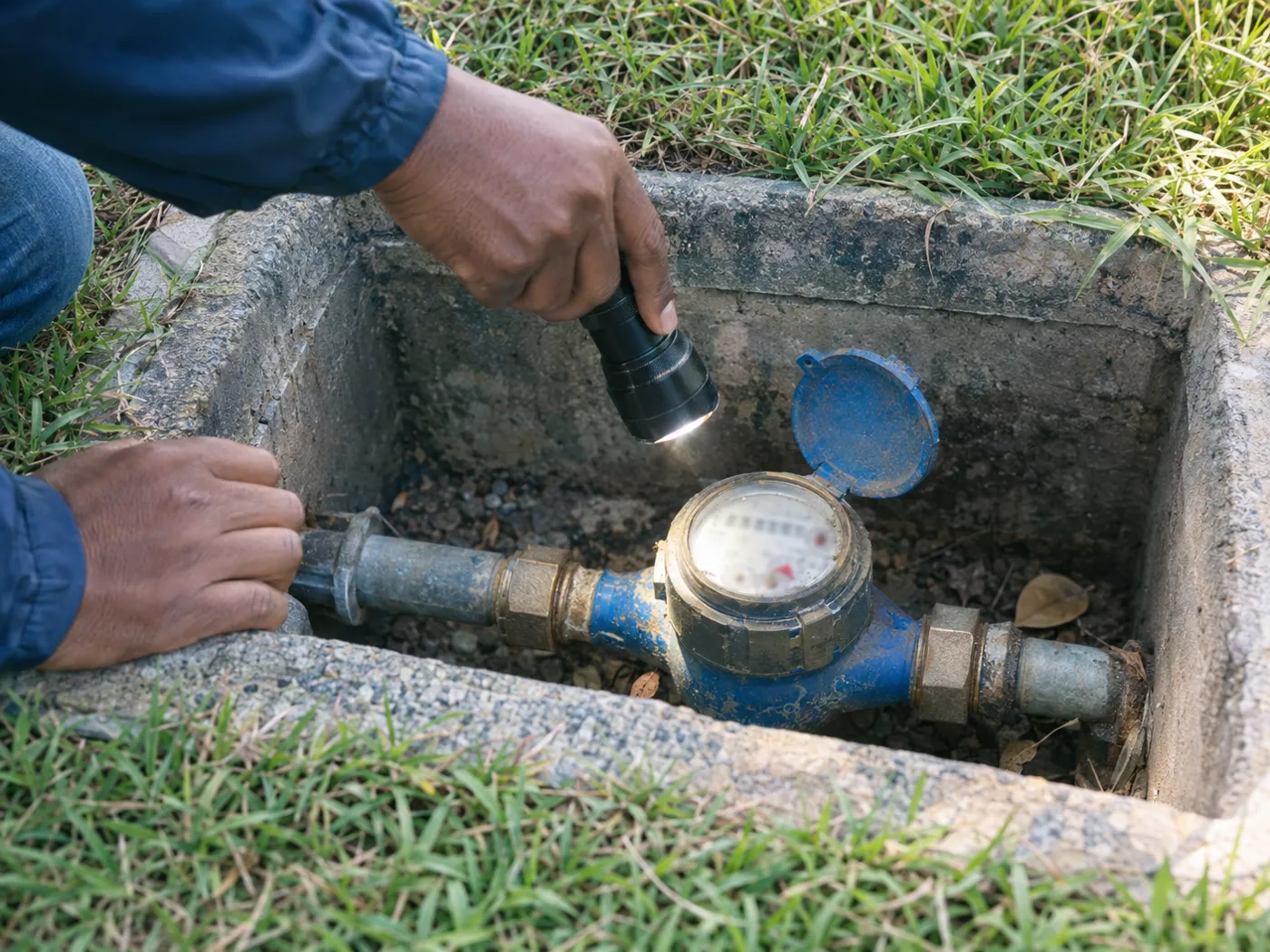
Record bulk meter identifier, display units, location, time, weather, active services and photograph. Check whether irrigation, pools, cleaning, tanks, pressure systems or automatic equipment operate overnight. A flow observation without those conditions is weak evidence.
Read at more than one time where safe and appropriate. Note whether the display changes continuously, in pulses or only during a known cycle. Do not open chambers or isolate services without the responsible specialist's method and permission.
A leak investigation should protect evidence. Photograph meter displays, valves, damp areas and repaired defects before access or restoration changes the condition. Label each image with location and time.
After a repair, keep the same meter and timing evidence so the scheme can compare like with like.
Separate legitimate night use
List systems that may run when residents sleep: circulation pumps, irrigation, security cleaning, filtration, tank filling and backup equipment. Ask who controls each system and whether its schedule is known. A stable baseline is easier to interpret than a single dramatic reading.
Record at least two readings under comparable conditions before treating movement as a pattern. Note the display resolution and whether the pointer or digital value can register very small flows. One reading can be affected by a tank refill or a scheduled cycle that was not visible during the visit.
An isolation test should proceed in a planned order with service users informed and restoration checked after each step. Record which section changed the reading and when. If isolation does not localise the movement, preserve the log and commission a defined specialist test rather than asking residents to manipulate valves.
If night flow remains after known systems are off, record the time, rate or meter movement and affected zone. The next step may be section isolation, acoustic testing, unit checks or a meter condition review.
Consider seasonal and scheduled use. Irrigation cycles, pool top-ups and cleaning may occur at night and can be mistaken for hidden loss. The site diary should show those operations before the specialist models the flow.
Plan isolation in stages
A safe investigation moves from bulk supply to branches, common areas and units. Each stage should state who may isolate, what residents are told, how long service is interrupted and how restoration is verified. Keep a log of readings before and after each action.
For a scheme with ageing geysers, a specialist may test units, inspect valves and record video evidence before recommending replacement. The scheme should not ask a caretaker to turn valves randomly and then treat the result as a diagnosis.
If a leak is found in a unit, record the boundary between scheme and private responsibility according to the scheme's records and applicable arrangements. Keep the technical finding separate from the decision about payment or recovery.
Choose a repeatable low-use window and keep a note of occupancy, cleaning, irrigation and tank cycles. The same conditions matter when checking whether a repair changed the reading. If a change is small or intermittent, preserve the observations and ask a specialist what additional measurement would distinguish normal variation from a persistent flow.
Check units and common areas
Once the system evidence supports it, inspect likely locations: toilets, taps, geyser trays, meter boxes, gardens, pools, plant rooms and underground routes. Record unit, date, condition and access. A wet patch is evidence of water, not automatically the source.
A more-than-300-unit scheme with unexplained water use would need a carefully organised schedule, unit access, readings and evidence reconciliation. The point is to turn a total into identifiable defects, not to label every resident responsible.
After correction, repeat the same reading protocol. A lower reading supports the result but does not prove that every source has been found. Monitoring should continue until the scheme is comfortable with the pattern.
If a suspected leak is repaired, file the location, cause if established, work completed and test result beside the original readings. A reduction in use can support the conclusion, but the scheme should retain the follow-up period and note any other change in occupancy or system operation that could affect the comparison.
Check water use and night flow this week
Choose two low-use times, confirm legitimate overnight systems, photograph the meter and record readings with date and time. Note every assumption. If movement persists, prepare a scope for staged isolation or specialist testing rather than announcing a leak as fact.
- Confirm the meter, display units and reading times.
- List pumps, irrigation, tanks and other legitimate night use.
- Photograph conditions and log flow consistently.
- Plan safe isolation with the responsible specialist.
- Repeat readings after a repair before closing the issue.
What you get
What you get from Dev 360 One
- A leak investigation brief
- Meter, timing, legitimate uses, access, isolation, evidence and requested outcome defined before testing.
- A night-flow log
- Readings, photographs, conditions, system status and exceptions recorded consistently for comparison.
- A staged test plan
- Bulk, branch, common-area and unit checks sequenced with safety and resident communication.
- A defect register
- Confirmed leaks, suspected sources, inaccessible areas and repair or replacement decisions tracked.
Questions
Does night flow prove a leak?
No. Night flow shows water moving during a selected low-use period. Pumps, irrigation, tanks, cleaning or other legitimate systems may account for it. Confirm conditions and isolate methodically before calling it a leak.
Who should isolate water services?
The scheme should use an appropriately capable person with a defined method, authority and restoration check. Do not ask residents or untrained staff to operate unknown valves or interrupt essential services without a plan.
Should every unit be inspected first?
Not always. Start with meter and system evidence, then target likely areas while planning wider checks where the pattern supports them. A broad unit exercise should have a schedule, access process, evidence format and clear decision output.
Keep reading