
Utilities, metering and energy · 5 min read
How should a scheme read a municipal utility account?
Read a municipal utility account as a chain of dates, readings, tariffs, charges and payments, not as one alarming total.
In short
A scheme should read a municipal utility account by checking the account period, meter identifiers, opening and closing readings, estimated or actual status, tariff lines, adjustments, arrears and payments. Compare each line with prior statements and site records. A total is only useful when the scheme can explain the period and consumption behind it.
Key takeaways
- Start with account dates and meter identity before examining the amount due.
- Separate consumption, tariffs, adjustments, arrears and payments on the review sheet.
- Reconcile unusual changes against readings, site events and supporting statements.
A municipal utility account is easiest to understand when trustees stop treating it as a single bill. Read it in layers: who is billed, which meter is involved, what period is covered, what readings were used, how consumption was charged, and which balance belongs to earlier periods. Dev 360 One can help structure a utility review and coordinate specialist evidence. The scheme remains responsible for its approvals and payments.
Identify the account before the charges
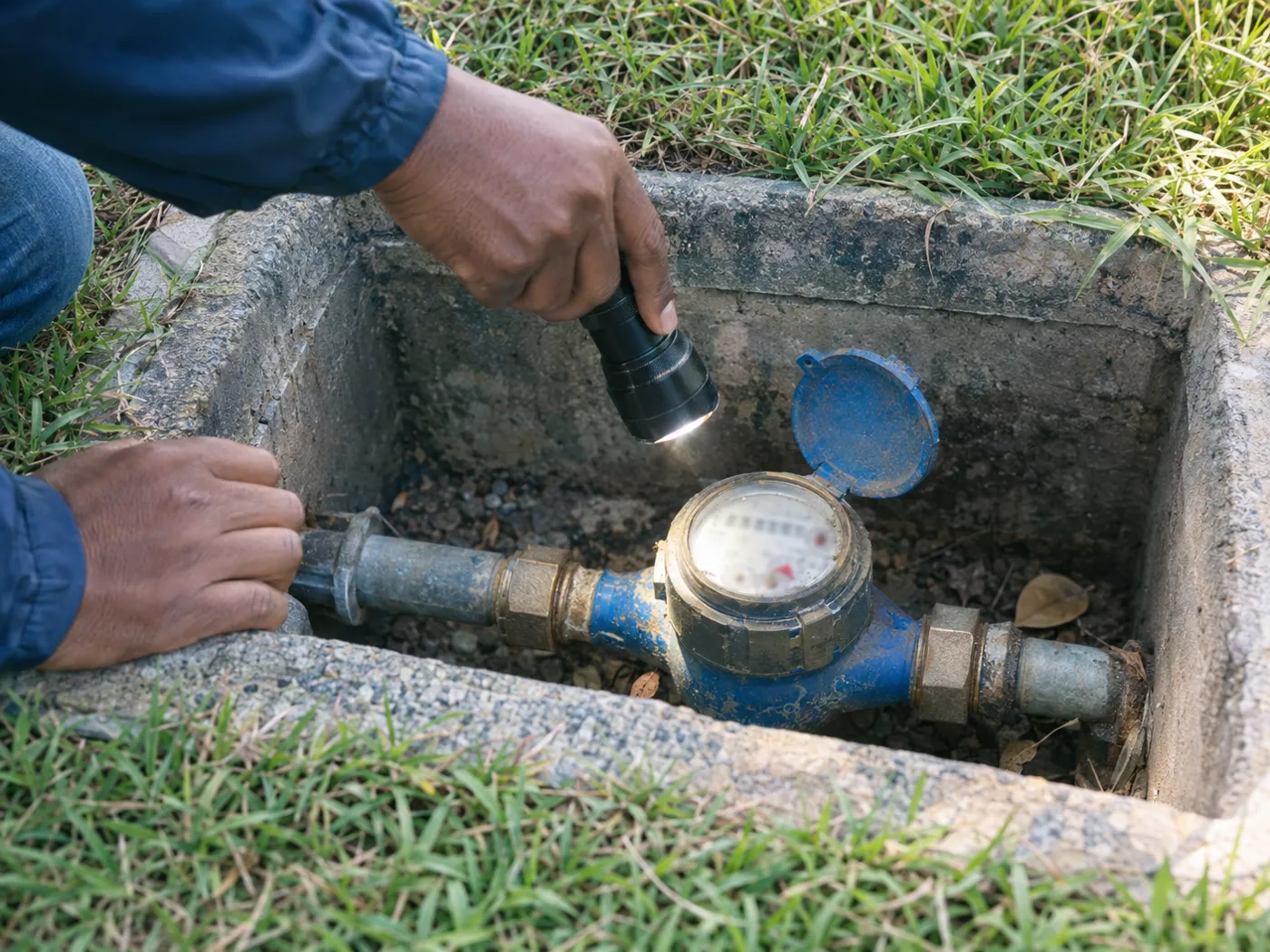
Check the scheme name, service address, account number, meter number and service type. A correct-looking statement attached to the wrong meter can send the whole review in the wrong direction. Compare the meter identifier with the meter room schedule, photographs and prior account.
Then check the statement dates. A bill issued in one month may cover an earlier period, include a reading taken on another date or combine current charges with arrears. Record the service period separately from the issue date and payment date.
Check whether the account includes a tariff category or service description that changed from the previous statement. A different category can alter the charge without changing the meter reading. Keep the old and new descriptions in the comparison and ask for the reason for any change.
Ask the provider or municipality to identify any meter change, tariff change or adjustment in writing. A clear answer belongs beside the statement, not only in an email chain.
Read the consumption line by line
Write down opening reading, closing reading, units consumed, reading dates and whether each reading is marked actual or estimated. Do the arithmetic yourself. If the account includes several meters, separate them before looking at the total. Electricity, water, sanitation and refuse may have different charging rules and periods.
Take a 60-unit scheme with a large water statement. A higher total may come from more consumption, a longer period, an adjustment, a tariff change or arrears. The review should identify which line moved before anyone calls the municipality or blames a leak.
Where the account covers several services, do not let a water adjustment disappear inside an electricity total. Split the statement into service tabs and reconcile each one to its meter and period. This is particularly useful when the municipality issues a combined account.
Where a statement is estimated, compare it with the next actual reading and keep the original estimate visible. Do not overwrite the account history when a correction arrives. A short note should state which period was revised, what evidence changed and whether the balance was carried into a later bill.
Separate current use from old balance
A statement can show current charges, previous balance, payments, credits, interest or adjustments. Put each in a separate column. A scheme that treats the closing balance as this month's utility cost may approve the wrong response. Match payments to dates and retain proof of payment with the account.
If a payment appears missing, ask the managing agent for the payment reference and date before disputing consumption. If a credit is unexplained, note it for clarification rather than quietly netting it against a later bill.
The review should also note who received the statement, when it was approved and what record supports payment. A clear administration trail prevents a technical discrepancy from becoming a payment-history dispute.
Test the account against site evidence
Compare readings with dated meter photographs, sub-meter schedules, caretaker notes, vacancy or construction periods, leak reports and prior statements. Check whether a meter was changed, inaccessible, rolled over or read on a different day. A sharp change needs a question, not an automatic conclusion.
For a scheme where water use appears to double, record the last known actual reading, the next reading, night-flow observations, rainfall, known leaks and account adjustments. This gives a utility specialist a defined starting point.
When the billed period crosses a meter replacement, preserve the final old reading and first new reading with their dates. Ask the municipality or provider to confirm how the transition was applied. Do not compare the two displays as if they were one uninterrupted meter history.
A reconciliation note should identify what is confirmed, what is estimated and which discrepancy remains open. If the evidence cannot distinguish a billing adjustment from a site issue, request the specific statement detail or specialist check needed; avoid attributing the difference to a leak without supporting readings.
If the account has a correction, preserve the original statement and the corrected version together. The difference between them should be explained in one sentence in the register.
Review one municipal utility account this week
Choose one service and copy three statements into a table with period, meter, opening reading, closing reading, consumption, charge, adjustment, payment and balance. Highlight any missing reading status or unexplained jump. That table is more useful at the next trustee meeting than a folder of unmarked PDFs.
- Confirm account, service period and meter identifier.
- Record opening and closing readings with actual or estimated status.
- Separate consumption, tariff, adjustment, arrears and payment lines.
- Compare changes with dated meter photographs and site events.
- Assign unexplained differences to a named follow-up owner.
What you get
What you get from Dev 360 One
- An account-reading sheet
- Periods, meters, readings, consumption, charges, adjustments, payments and balances separated for review.
- A discrepancy register
- Missing readings, wrong identifiers, unusual use and unexplained adjustments assigned for follow-up.
- A records request
- Statements, photographs, payment references and site notes gathered into one evidence trail.
- A next-step scope
- A defined municipal query, meter check or specialist assessment based on the actual gap.
Questions
Why does the account total not equal current consumption?
The total may include an earlier balance, payment, credit, adjustment or separate service charge. Split the statement into current charges and carried-forward items before deciding whether consumption is unusual. Keep the account period separate from the date printed on the statement.
What if the meter number differs from our schedule?
Record both identifiers and check the physical meter, prior account and municipal record before using the reading. Do not assume a typographical error. A mismatch may explain why a sound reading appears on the wrong account.
Should trustees compare accounts month to month?
Compare the covered periods and reading dates rather than simply placing issue dates side by side. Note estimated readings, seasonal conditions, occupancy, leaks, construction and adjustments. A rolling table reveals patterns better than one month viewed alone.
Keep reading