
Utilities, metering and energy · 5 min read
When should a scheme investigate replacing a water meter?
Investigate replacement when evidence points to a meter, but first separate device failure from leaks, wrong mapping, timing and genuine consumption.
In short
A scheme should investigate replacing a water meter when repeated evidence shows damaged equipment, implausible readings, failed testing, obsolete hardware, unreliable communication or repair that will not restore useful measurement. First check leaks, meter identity, units, timing and reading method. Replacement should follow a defined condition and options assessment.
Key takeaways
- Do not call a meter faulty merely because consumption is high.
- Test identity, condition, readings, leaks and system coverage before replacement.
- Specify final mapping, testing and handover before approving a new device.
A high water account is a reason to investigate, not automatic proof that the meter must be replaced. The same pattern can arise from a leak, wrong meter link, estimated reading, common-area use, timing error or genuine consumption. Dev 360 One can coordinate evidence and a specialist meter assessment. The scheme decides whether replacement is justified and how it is procured.
List the failure evidence
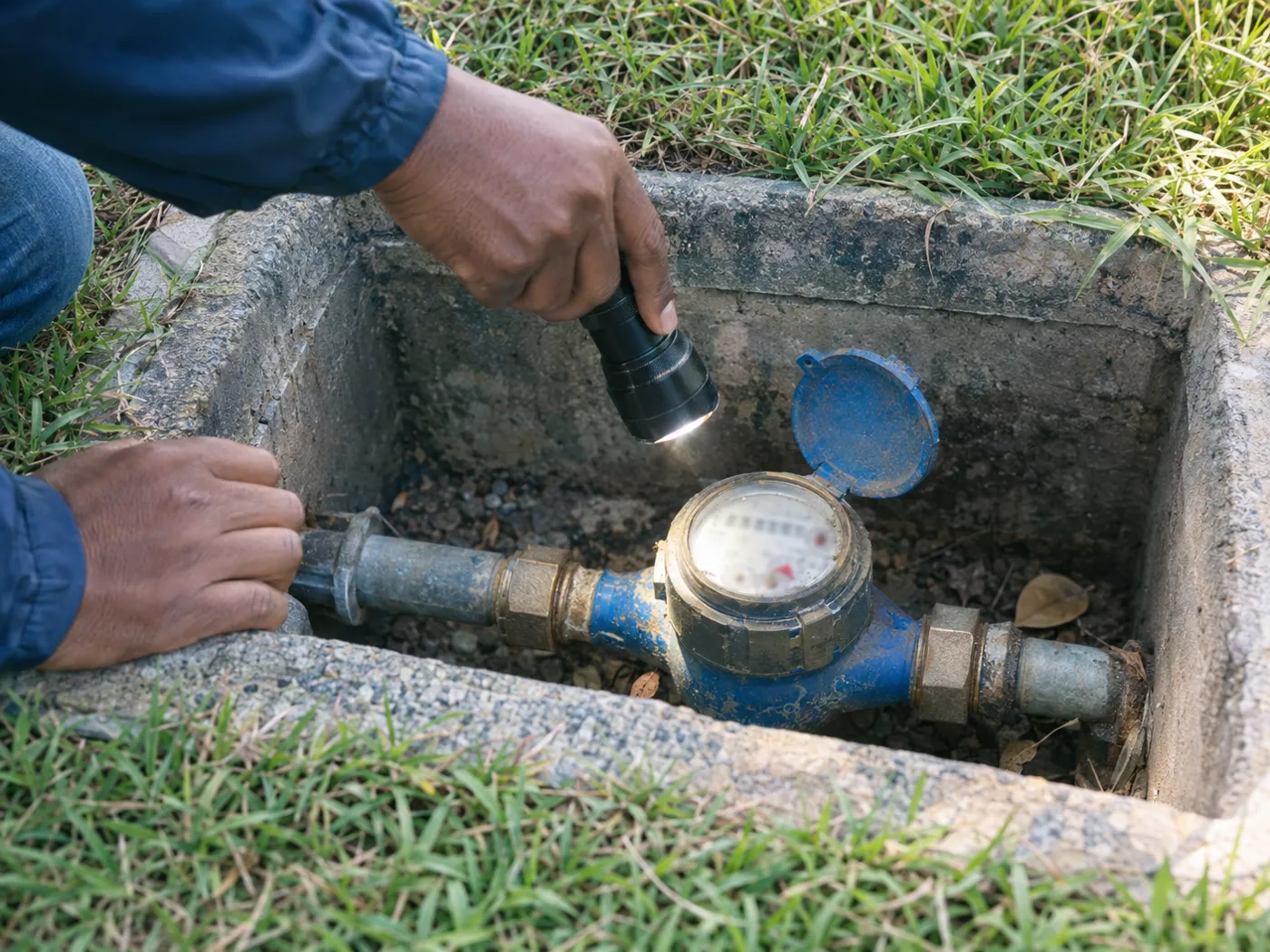
Record meter identifier, location, display, reading history, account period, photographs, access, physical damage, test results and communication faults. State what the meter should serve and whether another device measures the same area. Repeated failed captures are more useful than a single surprising total. The scope should identify whether water-meter replacement is the practical subject of this review.
If a display is blank, casing damaged or reading frozen while verified use continues, the device condition deserves attention. If the meter moves normally but the account remains strange, check mapping and billing before ordering replacement.
A replacement may change account history, allocation, reading units or communication. When considering replacement, ask how the provider will preserve continuity and what the municipality or billing administrator must update.
A replacement decision should include who updates account and billing records after commissioning.
The scheme should explain any change to readings, account links or allocation after replacement so future statements remain understandable.
A replacement is complete only when the new device, data, maintenance and unresolved condition are all recorded.
Rule out the system around it
Inspect likely leaks, valves, tanks, toilets, irrigation, pools, pumps and unmetered branches. Compare bulk and sub-meter dates. Check whether a recent change altered the served area. A replacement meter cannot correct a pipe leak or a wrong account identifier.
A bulk meter showing high use while unit meters remain stable may indicate common-area use or a coverage gap. A single unit meter showing high use may reflect a genuine leak or a device issue. The system evidence determines the next test.
If the meter is inaccessible, solve the access or chamber issue as part of the decision. Replacing a device that cannot be read later is not a complete remedy.
Before requesting a replacement, compare the meter register with the provider records and the scheme's own readings. Note the last verified reading, the period covered, the served area, any estimated entries and the dates of changes to units or common services. If readings cannot be reconciled, ask the provider to state which records will be corrected and how the old and new identifiers will be linked. This protects future billing review without assuming that the device is the cause.
Compare repair, test and replacement
Ask the specialist whether the meter can be tested, recalibrated, repaired, temporarily bypassed or replaced, and what evidence each route provides. Compare interruption, access, data continuity, cost basis, warranty, maintenance and future reading method.
If replacement is chosen, preserve the old identifier and final reading, photograph removal, record the new device and test the connection. The change should be visible in the account and meter schedule.
Consider whether a test of the old device can support the decision. A clear test result may justify replacement, monitoring or a different investigation and can reduce argument about the original account.
An approval note should separate evidence from the proposed route. State whether the concern is condition, accuracy, access, communication or account mapping; identify who will test it; and record what result would justify monitoring, repair or replacement. Include expected interruption, temporary reading arrangements, commissioning checks and the person who accepts the handover. That makes the decision reviewable if the first proposed remedy changes.
Plan the transition
Set an installation date, isolation, resident notice, protection, reading capture, commissioning, mapping and handover. Decide how interim consumption is recorded and who confirms the new meter is linked correctly. Keep unresolved units or service areas open.
Do not close the project because the new display is on. The scheme needs evidence that the device measures the intended service and that future statements can be reconciled.
Add the replacement to the scheme's maintenance plan and register immediately. The new device should not become another unverified line in a spreadsheet.
Where a provider recommends replacement, ask for the old meter's final reading and removal record, the new meter's identifier and initial reading, the test method, and confirmation of the served area. Keep those details with the account and maintenance records rather than relying on a supplier invoice alone.
A practical first step
Choose one suspect meter and document its condition, the available readings and the reason it is in question. Ask a qualified provider to assess the evidence and alternatives, rather than simply quoting for replacement.
- Gather recent readings, billing records and any fault reports.
- Ask whether testing, repair or replacement is appropriate and what each option costs.
- Confirm access, expected service interruption and communication with affected residents.
- Agree how old and new readings will be recorded to preserve billing continuity.
- Request the test results, installation record and handover documents.
What you get
What you get from Dev 360 One
- A meter condition brief
- Identity, history, readings, physical condition, communication, leaks and coverage questions defined.
- An options comparison
- Test, repair, bypass and replacement routes compared for evidence, interruption, data and maintenance.
- A transition plan
- Removal, old reading, new identifier, isolation, commissioning, resident notice and account update sequenced.
- A reconciled handover
- New meter map, tests, photographs, warranty, maintenance and open items prepared for the file.
Questions
Does high consumption prove a water meter is faulty?
No. High consumption can result from leaks, common use, occupancy, timing, wrong mapping or a genuine increase. Check the system and account evidence before testing or replacing the device. Record the meter condition, date and test question in the decision note.
Should the old meter be kept?
Record its identifier, final reading, removal date and condition, and retain it where the agreed technical and record process requires. That evidence supports account reconciliation and later questions about the change. Preserve the transition record with the account history. Keep that change visible in the current register for future review.
What should be tested after replacement?
Confirm correct service, identifier, direction or function, reading, connection, isolation and any communication or data link required. Photograph the installed device and update the scheme schedule before closing the work.
Keep reading