
Utilities, metering and energy · 5 min read
What should trustees do when utility consumption changes sharply?
A sharp change deserves a structured check of reading, account, asset, occupancy and operating conditions before anyone chooses a remedy.
In short
When utility consumption changes sharply, trustees should verify the account period, meter identity, reading status and arithmetic, then check occupancy, weather, repairs, equipment, leaks and common uses. Record the evidence and define a proportionate investigation. A spike is a signal to test, not proof of a faulty meter or resident misuse.
Key takeaways
- Verify account and reading facts before interpreting the change.
- Check physical, operational and occupancy events in the same period.
- Escalate to targeted testing when the records cannot explain the movement.
A sharp consumption change creates urgency but not an answer. Start with the account and meter evidence, then check what changed in the building. Water may rise because of a leak, irrigation, construction or a reading correction. Electricity may rise because of pumps, heating, backup tests, new equipment or a tariff distinction. Dev 360 One can coordinate a structured review and specialist scope.
Confirm the change is real
Compare covered periods, opening and closing readings, actual or estimated status, meter identifier, units, adjustments and payments. Check whether the prior period was unusually low or estimated. Recalculate consumption and preserve the statements used.
A sharp bill increase may be a longer account period or a carried-forward balance. A sharp reading increase may combine two periods after an estimate. Separate those effects before calling the change a building event.
Consider whether the sharp change follows a meter replacement or account correction. Transition periods often produce apparent jumps that need reconciliation before a physical investigation.
Document the decision to monitor as carefully as the decision to investigate.
The response should preserve the evidence that led to monitoring, testing or repair so the next review can assess whether the action worked.
A factual account of uncertainty is more useful to owners than a premature explanation that later has to be withdrawn.
Create an event timeline
List vacancies, construction, leaks, rainfall, irrigation, pool operation, pump changes, equipment replacement, generator tests, tariff changes, meter work and access problems. Add dates. The timeline may explain the change or identify the point when it began.
For energy, note lifts, gates, pumps, heating, lighting and new chargers. For water, note unit work, geyser failures, toilets, gardens and municipal interruptions. Do not ask the account alone to reveal a site event.
Ask the managing agent for invoices, maintenance calls and owner reports in the same period. Those records can reveal a pump fault, burst pipe, contractor use or access failure that an account cannot show.
Check common and unit patterns
Compare bulk, sub-meter and common-area readings where available. Look for one branch or service that changed rather than assuming every resident changed behaviour. Check missing and inaccessible meters.
If common use rose while unit use stayed stable, inspect pumps, irrigation and plant. If one unit's reading rose, check the meter, leak evidence and access. The pattern determines the next scope.
If the scheme monitors a trend, choose a review date and trigger. A one-off check should not remain open indefinitely, while a continuing increase may need escalation to a specialist.
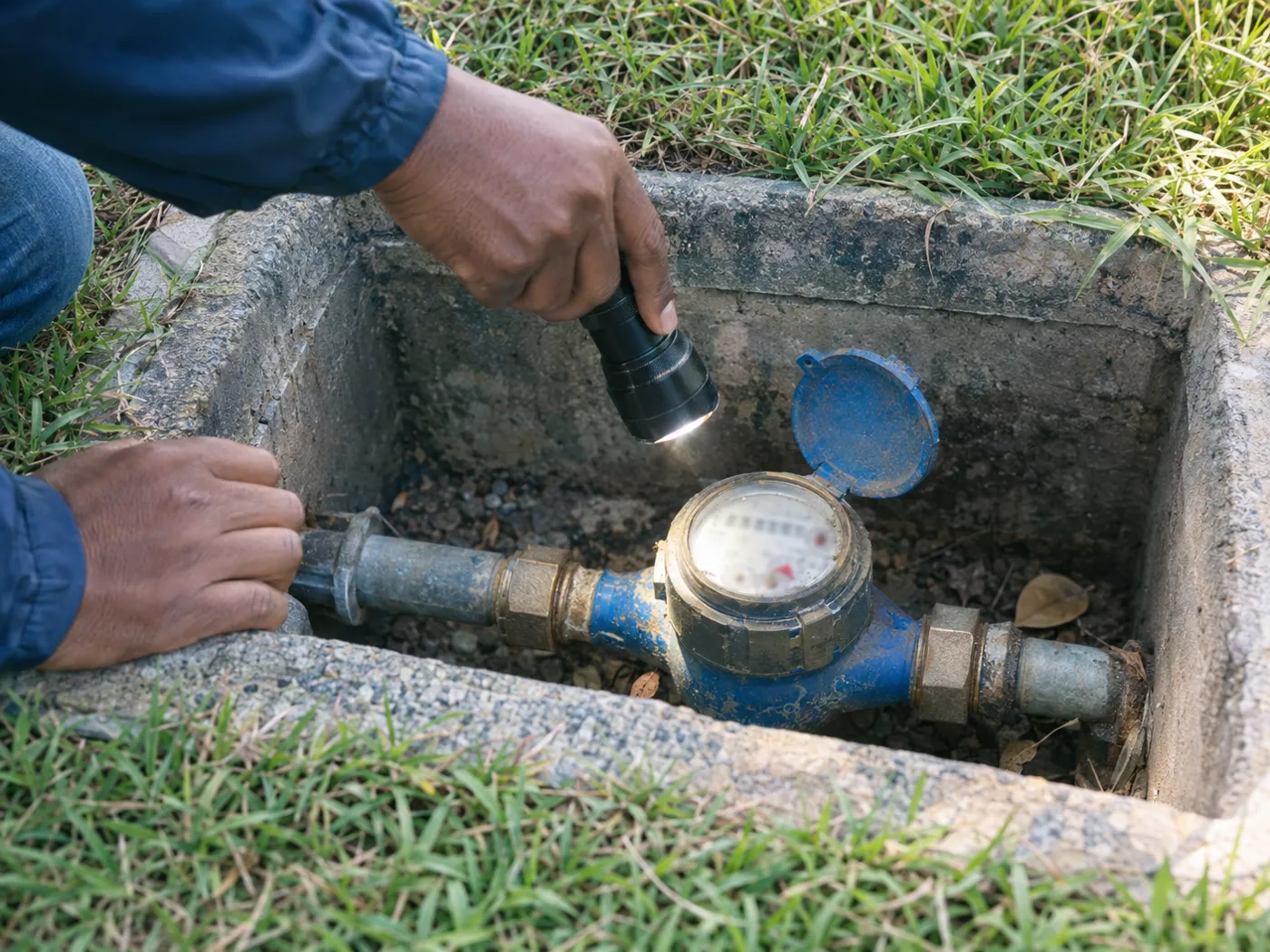
Use a simple timeline to connect the account period with maintenance work, occupancy changes, weather events and equipment operation. Where readings are available, compare the bulk meter with relevant sub-meters and mark gaps. The purpose is to decide what evidence to gather next, not to assign fault to a unit or supplier before the meter path and account period are understood.
Choose a proportionate response
Possible actions include account query, actual reading, night-flow check, meter test, equipment inspection, staged isolation or monitoring. State the question each action answers and the record required. Avoid a full replacement programme when a targeted test can narrow the cause.
If the change creates a risk of damage or essential-service failure, arrange appropriate protection while the assessment continues. Keep temporary action separate from the permanent decision.
Explain the investigation to owners without naming a cause prematurely. State what was observed, what is being checked and how residents can report relevant evidence.
Compare the same service and time period before choosing a site test. Check whether the current figure is actual, estimated or adjusted; whether the meter serves the same area; and whether account dates align. A corrected reading or longer billing period may explain a bill movement without a new building fault. Keep these checks separate so an account problem is not mistaken for a leak.
If records still show an unexplained change, select a test that distinguishes the leading explanations. A night-flow check may help with continuing water movement; a meter inspection may address a reading concern; a plant review may explain a new electricity load. State who will arrange access, what result will be recorded and when trustees will review the finding.
When the cause remains unknown, set a monitoring period and trigger for escalation. Record what would cause the scheme to request specialist testing, such as a repeated unusual reading or a continuing increase after the account has been reconciled. Communicate what is being checked without attributing the change to a resident before the evidence supports that conclusion.
Your first consumption check
Choose one sharp change and create five columns: account facts, meter evidence, site events, likely questions and next action. Fill it from records already held. The missing cells show exactly what the scheme should request or inspect.
- Check the account period, meter ID, reading status and arithmetic.
- Compare occupancy, weather, repairs and equipment changes.
- Check common versus unit readings and missing meters.
- Choose a query, test, inspection or monitoring route.
- Record the owner, evidence and review trigger.
What you get
What you get from Dev 360 One
- An anomaly brief
- Account, meter, period, event timeline, common uses, unit pattern and evidence gap brought together.
- A comparison sheet
- Prior and current readings, charges, adjustments, occupancy and operating conditions separated clearly.
- A targeted investigation
- Account query, reading, leak check, meter test or equipment inspection selected for the actual question.
- A decision record
- Findings, temporary protection, approved next action and unresolved uncertainty retained for the scheme.
Questions
Should trustees blame residents for a consumption spike?
No. Verify the account, meter, common uses, leaks, occupancy and site events first. A spike may be a reading correction or common-area issue. If unit-level evidence supports a concern, handle it through the scheme's agreed communication and technical route.
What is the first record to request?
Start with the relevant statements, meter identifiers, reading status, dated photographs and prior period. Add maintenance, leak, occupancy and equipment records once the account change is confirmed. This sequence prevents a broad unfocused data request.
When is specialist testing justified?
Specialist testing is justified when the account and site records cannot explain a material change, or when a leak, equipment fault or meter condition could create harm or continuing loss. Define the question and output before appointing the specialist.
Keep reading