
Utilities, metering and energy · 5 min read
What should a scheme understand about bulk and sub-metering?
Bulk metering measures the supply entering a scheme; sub-metering allocates or analyses use within it, and the two layers answer different questions.
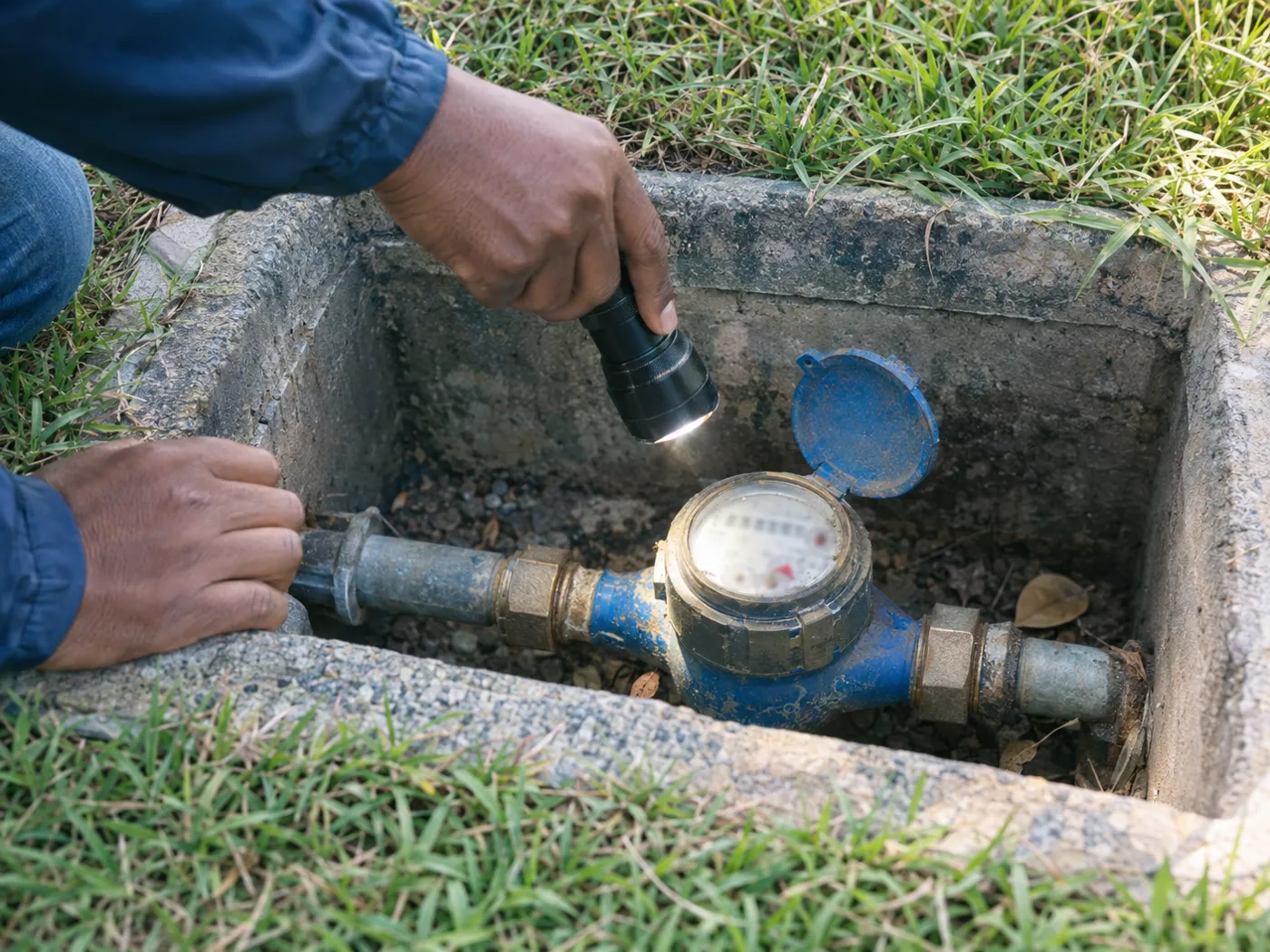
In short
Bulk metering measures the total utility entering a scheme or building, while sub-metering measures selected units, areas or services within that total. Bulk data helps reconcile the supplier account; sub-meter data helps understand internal use or allocation. The scheme must define ownership, reading method, accuracy and responsibility for each layer.
Key takeaways
- Use the bulk meter to understand total supply and sub-meters to examine internal distribution.
- Map every meter to an asset, area, account and responsible party.
- Treat the difference between layers as evidence to investigate, not automatic proof of waste.
Bulk and sub-metering create a hierarchy of evidence. The bulk meter may show what the scheme received, while sub-meters show how much selected units or common areas used. The numbers will not always match exactly because of timing, unmetered areas, leaks, meter condition and reading methods. Dev 360 One can coordinate a mapping or metering assessment, while the scheme decides how information is used.
Map the system before reading it
Create a schedule showing bulk meter, sub-meters, service, location, unit or area, identifier, owner, reading method and last verification. Include common areas, irrigation, fire services where relevant and any supply that bypasses the expected route. A missing meter in the map is a risk to interpretation.
In a scheme with a bulk water meter and unit meters, identify whether gardens, pools, cleaning points and vacant sections are separately measured. Otherwise the difference between bulk and unit totals may be blamed on residents before common use is understood.
Timing differences matter even when all devices are accurate. If unit meters are read on the first and the bulk meter on the last day, the totals represent different windows. State that limitation rather than manufacturing a reconciliation.
The system map should be updated when a branch, area or device changes, not only when a new meter is installed.
Know what each layer can prove
Bulk data can support account reconciliation and overall consumption analysis. Sub-meter data can reveal distribution, unusual unit use or a common-area pattern. Neither layer alone proves a leak, a billing error or a fair allocation. Meter status, dates and coverage must be checked.
If the bulk meter records 100 units and sub-meters total 86, the gap may reflect common areas, timing, leakage, inaccessible meters or inaccurate devices. The correct next question is where the 14 units could sit and what evidence can narrow it.
Some meters may measure a service that is not intended for allocation, such as fire systems or irrigation. Label those devices clearly and explain whether they belong in a consumption comparison or a separate operational review.
A meter map should distinguish a device that measures a whole branch from one used only for a particular unit or plant item. Confirm the measurement unit and multiplier from the device or provider record; digits that look similar can represent different volumes or energy quantities.
Check timing and reading methods
Read meters on the same day where possible, or record exact dates and times. Note manual readings, photographs, remote captures, estimates, rollovers and resets. A bulk reading on the last day of a month cannot be compared casually with sub-meter readings collected over the following week.
For a utility recovery exercise, keep a reading protocol: meter identifier, display, date, time, photograph, reader and exception. Consistency makes the schedule useful for both trustees and a specialist.
For a fair comparison, align the reading window or calculate the difference in elapsed time. Record every device that contributes to common use, including cleaning taps, irrigation or plant equipment. A residual is not a loss figure until coverage, dates and units have been checked.
If the gap persists, compare the meter map with a controlled site walk and note branches that are inaccessible or unlabeled. Ask a qualified provider to determine whether a test is needed. Keep the question narrow: locate the unaccounted use, verify a meter or review the allocation method.
A schedule should record units of measurement and display conventions. Litres, kilolitres, kilowatt-hours and pulse values cannot be compared safely by looking at digits alone.
Clarify responsibility and maintenance
Ask who owns, accesses, tests, repairs and replaces each meter. A meter may be physically inside a private unit but form part of the scheme's measurement system. Record isolation requirements, communication route and what happens when a meter cannot be read.
A sub-meter replacement should not be approved from a total alone. First identify whether the device is faulty, inaccessible, incorrectly mapped or simply showing a genuine change. The remedy depends on the evidence.
When a sub-meter is removed, preserve its final reading and served area. The transition record should explain how the next period is treated and who checks the updated map.
When a meter is inaccessible or appears damaged, record the last reliable reading and the first reading after repair or replacement. The interval should remain visible in any allocation or reconciliation. Ask the responsible provider how a missing period will be treated, rather than estimating a value without stating the method.
Map the metering system this week
Walk from the incoming supply to the bulk meter, distribution points, sub-meters and common uses. Add identifiers and arrows to a one-page sketch. Circle every branch with no meter, label or responsible party. Those circles define the next assessment scope.
- Map each meter to service, location, area and responsible party.
- Record reading dates, units and method for both meter layers.
- Identify common or unmetered uses before interpreting a gap.
- Check device condition, access and maintenance responsibilities.
- Define the next test from the evidence, not the total alone.
What you get
What you get from Dev 360 One
- A meter map
- Bulk meters, sub-meters, common uses, locations, identifiers and responsibility linked in one schedule.
- A reconciliation method
- Reading dates, timing, coverage and exceptions set out so totals can be interpreted fairly.
- A condition review
- Meter access, status, maintenance, testing and replacement questions prioritised by evidence.
- A utility data brief
- A clear next scope for reading, leak investigation, device testing or allocation review.
Questions
Does a sub-meter measure the whole scheme?
No. A sub-meter measures the unit, area or service connected to it. The bulk meter measures the incoming supply. The scheme must identify unmetered common use and compare dates before treating their difference as unexplained loss.
Can bulk and sub-meter readings match exactly?
They may not match because of timing, common areas, leaks, meter error, inaccessible devices or different units. Exact reconciliation depends on the system design and reading method. Record the gap and investigate proportionately.
Who should maintain sub-meters?
The scheme should confirm ownership and maintenance responsibility in its records and agreements. Do not assume location decides responsibility. The schedule should name who can access, test, repair and receive the resulting evidence.
Keep reading