
Utilities, metering and energy · 5 min read
What should trustees ask about prepaid or smart sub-metering?
Ask what the device measures, who controls the data, how residents are supported and what happens when the system fails before choosing a sub-metering route.
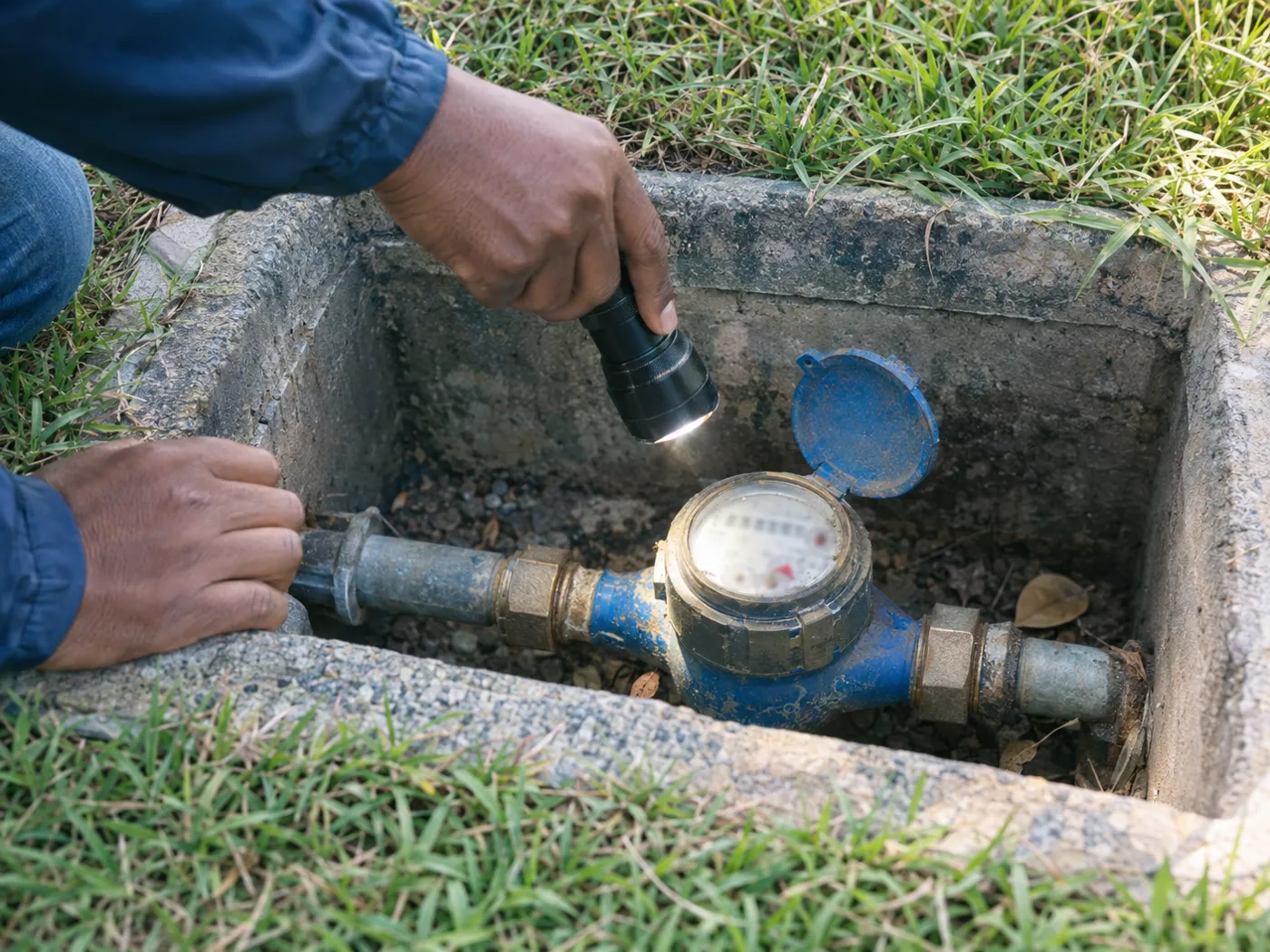
In short
Trustees should ask what prepaid or smart sub-metering measures, how readings and data are captured, who owns the devices, how residents receive support, what happens during outages, how disputes are handled and what records the scheme receives. Compare the operating model, not only the device. A meter is part of a service and governance process.
Key takeaways
- Define the resident, scheme and provider experience before selecting a device.
- Ask how data, outages, wrong readings, access and disputes are handled.
- Require clear installation, maintenance, support and handover responsibilities.
Sub-metering can change how a scheme measures, communicates and responds to utility use. Trustees should not choose on a product name or promised convenience. Ask how the meter works in this building, how information reaches the right person, and what happens when the device, signal, payment route or resident record fails. Dev 360 One can coordinate an options brief and specialist comparison; the scheme decides the model.
Define the outcome
Is the scheme trying to improve reading visibility, recover unit use, reduce manual access, identify leaks, manage arrears or support future energy projects? Different operating models address different needs. Write the desired outcome before inviting a provider to demonstrate a product.
A scheme with unreliable manual readings may need a verified reading process before a technology purchase. A scheme with clear unit data but difficult recovery may need a governance and communication review. The device should serve the defined problem.
For account continuity, confirm how ownership changes are handled.
If the scheme changes technology or supplier, confirm how the provider returns the data and closes the arrangement.
Question data and control
Ask what data is collected, at what interval, who can see it, how errors are corrected, how long it is retained and what happens when communication fails. Identify the source of each bill or report. Confirm whether the scheme receives exportable records or only a provider summary.
For smart water meters, ask whether readings are linked to unit identifiers, how a changed tenant or owner record is handled and how an abnormal flow alert is verified. A notification is a prompt for investigation, not proof of a leak.
Request a demonstration of failure states, not only normal operation. See what a resident and managing agent see when communication stops, a reading is rejected or a device loses power. Those screens and procedures often reveal the real workload.
Test the resident experience
The resident process should explain notices, top-ups where relevant, fault support and planned outages.
A system that looks simple in a demonstration may create difficult calls at night or during a communication route interruption. Request the proposed incident process, response times under the written terms and records the scheme receives after a fault.
Check whether the proposed data can be exported and retained if the provider changes. A scheme should not lose its utility history because it cannot access a proprietary format after an appointment ends.
A provider should show who receives a resident question and how it is tracked to resolution. Record whether the scheme or provider handles top-up queries, access appointments, meter mapping and account corrections. If the responsibility changes by issue type, explain that split in the resident guidance and appointment so a fault is not passed between parties.
Check failure and fairness controls
Ask what happens when a meter over-reads, under-reads, loses power, loses signal, runs out of credit or cannot be accessed. Who authorises a bypass or correction? How are disputed readings preserved? What is the route for testing and replacement?
Write a pilot or staged installation option where uncertainty is high. A controlled phase can test access, data, support and resident questions before the scheme commits to a larger transition.
Ask how the resident can challenge a reading, how the provider preserves the original value and what evidence is used to correct it. Confirm whether a disputed amount affects service or credit and who is authorised to approve a temporary arrangement. The scheme should understand this route before installation, not during a fault.
For a staged trial, define the sample areas, baseline process, resident notice, support contact and review date. Check that the trial includes poor signal, inaccessible devices and ownership changes, not only successful readings. Compare staff effort, response time and resident queries with the current method before deciding whether to expand.
The appointment should identify who owns devices, replaces failed units, updates the meter-to-unit map and supplies records at exit. Ask whether data can be exported with dates, identifiers and correction history. A dashboard view alone may not preserve what a future managing agent needs to verify a bill or answer a resident.
Before rollout, document how a disputed value is reviewed, who can authorise a correction and what service continues while a fault is investigated. The procedure should distinguish an account question from a meter fault and preserve the original reading, the corrected value, the reason and the person who approved the change.
Prepare provider questions
Before a demonstration, write ten questions under outcome, data, resident support, failure and handover. Send the same list to every provider. Compare the answers and the unanswered items rather than comparing screens alone.
- Define the outcome and service boundary before comparing devices.
- Ask how data, identifiers and ownership changes are handled.
- Test resident support during outages, faults and disputes.
- Confirm installation, maintenance and emergency responsibilities in writing.
- Require an exportable handover and a clear exit route.
What you get
What you get from Dev 360 One
- An options brief
- Outcome, resident experience, data, device, support and failure requirements defined before a technology choice.
- A provider question set
- The same practical questions issued to each metering provider for a fair comparison.
- A risk and responsibility table
- Installation, maintenance, readings, disputes, outages, data and support duties assigned clearly.
- A transition scope
- Survey, installation, resident communication, testing, records and handover arranged as one route.
Questions
Are smart meters automatically accurate?
No. Smart communication does not remove meter condition, installation, mapping, timing or data errors. Ask how the device is tested, identified, corrected and supported. Alerts and dashboards require verification before action.
What happens if a prepaid meter fails?
The scheme should know the fault route, emergency support, temporary supply or bypass process, correction method and record required. Put these arrangements in the written terms and explain them to residents before installation.
Should trustees compare device prices only?
No. Compare installation, access, maintenance, data, support, fault handling, records, resident communication and exit arrangements as well as the device. A low initial price may not describe the service the scheme must operate.
Keep reading