
Maintenance and long-term planning · 5 min read
What should trustees explain when considering a special levy?
A special levy discussion should explain the work, evidence, timing, options, consequences and approval route without presenting an uncertain estimate as a final answer.
In short
Trustees should explain the maintenance work requiring additional funding, the evidence and urgency, alternatives considered, what the levy will and will not cover, timing, owner impact, approval route and how spending will be recorded. A technical or financial uncertainty should be named, not hidden inside one unexplained figure.
Key takeaways
- Owners need a work story and decision route, not only a collection amount.
- Separate confirmed scope from investigation and contingency questions.
- Keep spending, approvals, progress and handover records visible after collection.
A special levy request is easier to understand when owners can see the maintenance decision behind it. Trustees should explain what asset is affected, what evidence exists, why the work cannot be absorbed in the ordinary plan, what options were considered and what remains uncertain. The aim is not to make a difficult decision sound easy. It is to make the decision honest and traceable.
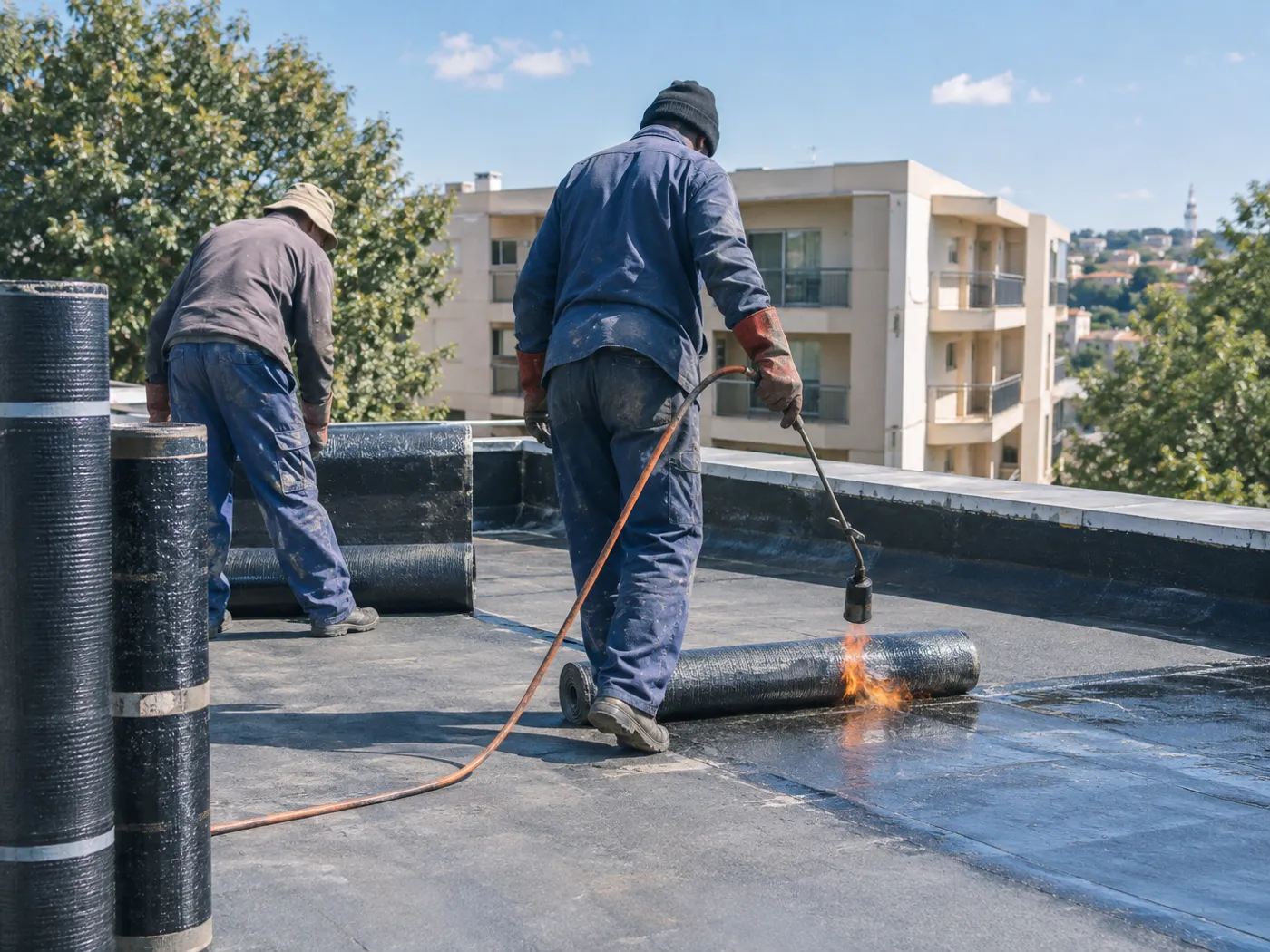
For illustration, consider a 75-unit scheme with recurring roof leaks, damaged ceiling finishes and a report recommending a broader roof investigation. The trustees are considering a special levy. They do not yet have a final repair scope. The owner paper should fund and explain the defined next step, not imply that an unknown replacement project is already approved.
State the decision in one sentence
Begin with the question owners are being asked to decide. It might be approval for an assessment, a defined repair package, a staged project or a funding arrangement for work already scoped. Name the asset and location. Avoid phrases such as ‘urgent building issues’ that conceal several unrelated decisions.
The decision sentence could state that the scheme is being asked to approve a defined investigation and immediate protection package for identified roof areas, with a later decision on repair once the report is received. If the scheme has a complete repair scope, say so. Do not use the same wording for both situations.
- Asset and affected locations
- Decision owners must make
- Evidence supporting the request
- Work included and excluded
- Next decision after this one
Show the evidence and options
Include dated photographs, reports, defect history, prior scopes, invoices, inspection notes and relevant maintenance-plan entries. Explain what each source establishes and what it does not. Then show alternatives: monitor, investigate, repair, replace, stage or defer. State the consequence and dependency for each. A specialist's recommendation is evidence for consideration, not a substitute for the scheme's approval.
Owners should see why the roof investigation comes before internal painting and why patching was not chosen as the sole route. If access equipment, testing or reinstatement is excluded, put that beside the option. Clarity about boundaries reduces the chance that a later variation is mistaken for a surprise.
Explain the money without false precision
The owner paper should state who will appoint and administer the work, then identify the later technical report that may change the route. The scheme retains approval and payment authority. A provider remains responsible for its findings, work and warranty documents.
The paper should include a simple timetable for the money and work. State when the scheme will seek quotations, when owners will receive the next report, who checks variations and where completion evidence will be filed. A staged request can be more honest than attaching a single unknown project to the first approval.
Do not bury the scheme's decision rights in a technical appendix. Put the authority, appointment, payment and reporting route on the first page. If a managing agent is coordinating administration, say so; if trustees must approve a change, identify that point. The specialist's role should also be visible so owners do not assume that a coordination service has made the technical or financial decision for the scheme.
Trustees should avoid using a single total to imply that every future cost is fixed. A written scope and comparable quotes improve the decision, but hidden conditions can still change work. We can help prepare a condition and risk report, recovery roadmap or funding case. Dev 360 does not fund, approve credit or guarantee outcomes.
Set expectations after approval
Owners should also know who issues notices, who checks progress and where changes are recorded. The managing agent can administer those steps, while trustees retain approval authority. Technical providers should supply their own findings, completion evidence and warranty documents for the scheme file.
The spending report should reconcile approvals, appointment, work started, variations, completion and open defects. Give owners a date for the next update and identify where the supporting invoices and handover records can be reviewed. This makes the funding trail practical rather than rhetorical.
The supporting pack should distinguish money already spent from money still to be committed. It should identify who checks invoices against the approved scope, how an unexpected condition is reported and when owners receive the completion summary. Those details turn a difficult funding decision into an accountable maintenance process.
For the roof example, owners should know the investigation output, next approval point and temporary-protection process. They should not receive a vague promise that the levy will fix every water mark. A defined route is more credible than a sweeping assurance.
Keep a levy trail
File the decision, scope, approvals, quotations, appointments, progress updates, invoices, variations, reports, photographs, certificates, warranties and outstanding items. Update the long-term plan when the work reveals new condition information. Tell owners what was completed, what remains and which future maintenance action follows.
A special levy paper should fit on a few readable pages and link to its evidence. This week: draft the first page with the asset, condition, decision requested, three evidence sources, work included, work excluded and the next decision date. Ask someone who was not in the last meeting to explain it back to you.
What you get
What you get from Dev 360 One
- Maintenance decision brief
- Asset, evidence, urgency, alternatives, scope boundaries, approval and next decision stated plainly.
- Funding case structure
- Intended work, uncertainty, timing, exclusions and supporting records organised for owner consideration.
- Delivery and reporting route
- Responsibilities, communication points, changes, quality checks and owner updates arranged in sequence.
- Levy work close-out file
- Approvals, spending records, reports, photographs, certificates, warranties and remaining actions retained.
Questions
Must a special levy request have a final repair scope?
Not always. If the evidence only supports an investigation or protection package, say that clearly and explain the later decision. Do not describe an unknown project as fixed. Separate the requested investigation from any later repair approval.
What should a special levy cover?
The paper should list defined work, investigation, access, protection, making good and known exclusions. Connect each item to the evidence and state what the funds cannot yet determine. Set reporting points so owners can follow progress and changes.
How can owners trust the spending?
Keep approvals, scopes, quotes, appointments, invoices, variations, progress reports, completion evidence and remaining actions together. Report changes against the approved decision. Keep the levy decision linked to spending and completion records.
Keep reading