
Maintenance and long-term planning · 5 min read
Why do maintenance backlogs keep growing?
A maintenance backlog grows when the scheme records symptoms but never turns them into owned, funded and sequenced decisions.
In short
Maintenance backlogs keep growing when defects are logged without a named owner, decision date, scope or funding route. A leaking gutter may return to the list after every storm because nobody records the cause, access needed, quote exclusions, approval and close-out evidence. Turning each item into an owned decision stops the list becoming a graveyard.
Key takeaways
- A backlog is a decision problem as much as a repair problem.
- Every open item needs a consequence, owner, next action and review date.
- A short condition register is more useful than another unranked spreadsheet.
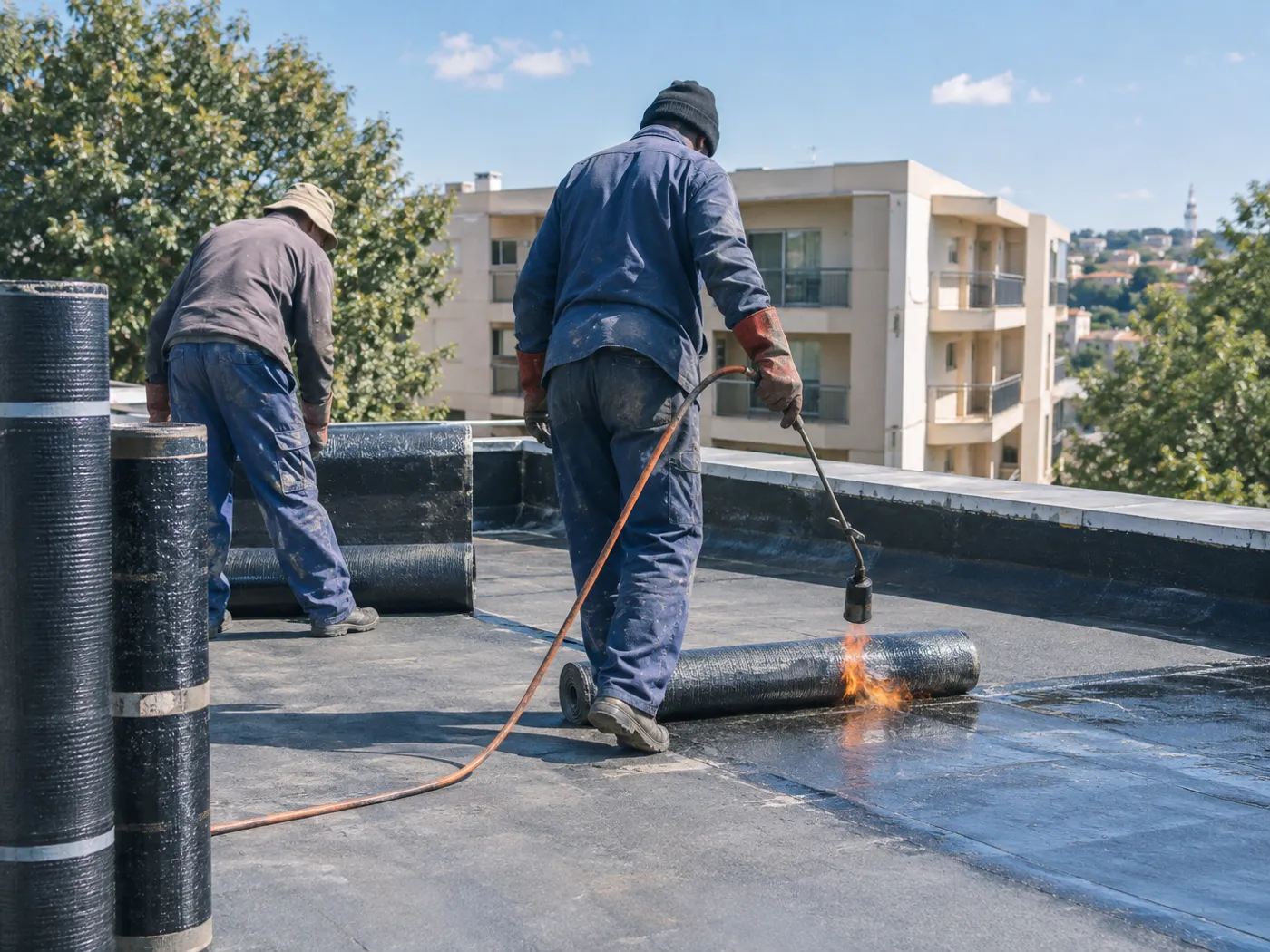
A maintenance backlog is not simply a long list of things that need fixing. It is a list of unresolved decisions. The same roof leak, cracked paving area or failed light returns because the scheme has not recorded what is known, what is still uncertain, who owns the next step and when trustees will decide. The list gets longer even when contractors are being called.
A hypothetical 60-unit scheme has 18 open maintenance items. Three have sat on the managing agent's report for nine months. One roof leak has had two patch repairs. A basement light is out, a boundary wall shows damp and the lift contractor has flagged a door component. None has a complete scope. That is not a contractor shortage alone. It is a control failure in the scheme's maintenance process.
The five ways a list becomes a backlog
First, the entry describes a symptom rather than a decision. ‘Water on the garage floor’ does not say whether the scheme must trace a leak, make the area safe, inspect drainage or approve a repair. Second, the record has no consequence. Without saying what worsens if the scheme waits, every item appears equally urgent. Third, the item has no owner. The trustee assumes the agent is progressing it, while the agent is waiting for an instruction or access.
Fourth, the scope is too vague to compare. A request to ‘fix the roof’ can produce quotes with different inspection areas, access equipment, waterproofing systems and warranties. Finally, the item never closes properly. The invoice is filed, but the report, photographs, test results, certificates, warranty and remaining defects are missing. The next trustee committee sees the issue again and starts from zero.
- Symptom recorded without the decision required
- Consequence of waiting not stated
- No named owner or decision date
- Quotes cover different work
- Close-out evidence missing
Turn complaints into decisions
The cure is not a more elaborate spreadsheet. It is a short register that forces useful questions. For each item, record the location, condition, source of the report, date observed, consequence, evidence available, evidence missing, temporary protection, next action, owner, approval required and review date. Mark each entry by how firmly it is known: record an observation, identify a report, flag an inference and name what inspection must still establish. That discipline keeps a hypothesis from becoming a false fact.
For the hypothetical roof leak, the entry could say: ‘Water stain above parking bay 14 after heavy rain, photographed on 12 March; prior patch repair invoice dated July; roof junction and flashing not yet inspected; possible damage to stored materials; next action is a defined inspection with safe roof access; managing agent to arrange access; trustees to approve assessment route at the next meeting.’ That entry can move. ‘Roof problem’ cannot.
The trustee view and the agent view
Trustees need to see why the order is defensible. They are not asking for every historical email. They need a ranked register, the consequence of waiting, the approval required and the record that will prove the job was completed. A committee should be able to explain why the lift door component comes before repainting a passage, or why a drainage investigation must precede repairing a damaged wall.
The agent can maintain the portfolio record and arrange access, while trustees approve the route. We add delivery capacity where agreed in writing. The appointed provider reports on its own technical work, certificates and warranty. That division leaves the scheme with a clear approval trail and the agent with a usable administration file.
Use a weekly backlog reset
We would not start by asking the committee to review all 18 items in detail. Start with a 30-minute reset. Remove duplicates. Group items by system. Mark immediate protection. Identify items blocked by access, authority or missing evidence. Choose the five decisions that must happen next. Give each one a date and owner. Defer the rest consciously, with a trigger for reconsideration.
The reset should produce three views: urgent protection, planned work and evidence still needed. A roof inspection may sit in the second view while an exposed electrical fitting sits in the first. A repainting request may wait until waterproofing is investigated. This is how the backlog shrinks without pretending every defect can be resolved in one meeting.
- Merge duplicate reports
- Mark safety and property protection needs
- Name the missing evidence
- Set one decision date per priority item
- Record deliberate deferrals and review triggers
What we would change first
The practical position is firm: stop commissioning repairs from a backlog description. Convert the highest-consequence items into small, written scopes, then compare options that address the same outcome. Where several specialists are needed, split assessment, repair, reinstatement and handover into clear packages. A cheap quote that excludes scaffolding, access or making good is not a saving. It is an incomplete decision.
The One backlog route can help produce a ranked defect register, an evidence pack, written scopes, comparable options and a handover record. The useful output is not a prettier list. It is a sequence the trustees can approve and the managing agent can administer.
Keep the backlog from returning
After work, close the loop. Match the delivered work against the approved scope. File dated photographs, test results, certificates, warranties, invoices, outstanding items and maintenance instructions. Add the next inspection date to the register. If a repair failed, record the condition that returned and the question the earlier work did not answer. That history is valuable evidence, not an embarrassment to hide.
This week: open the latest maintenance report, choose three recurring items and rewrite each as a decision with a consequence, owner, next action and review date. Bring those three entries to the next trustee and managing-agent discussion instead of forwarding the entire backlog.
What you get
What you get from Dev 360 One
- Ranked defect register
- Open items ordered by consequence, evidence quality, dependency, owner and next decision.
- Backlog reset brief
- A short meeting-ready view separating urgent protection, planned work and evidence still needed.
- Written maintenance scopes
- Defined questions, access, responsibilities, exclusions, quality checks and handover requirements.
- Close-out record
- Reports, photographs, certificates, warranties and outstanding actions organised for the scheme file.
Questions
Is every backlog item urgent?
No. Rank each item by safety, legal or compliance risk, further damage, effect on residents, cost and timing. Record why an item can wait and when it must be reviewed.
Who owns a maintenance item?
The register should name the person responsible for the next action, while the scheme retains its approval and appointment responsibilities. The owner is not automatically the person who reported the problem.
When should a backlog item be closed?
Close it when the approved scope has been checked and the required report, photographs, certificates, warranties and remaining actions are filed. Paying an invoice alone is not close-out. Close-out evidence should remain beside the original complaint.
Keep reading