
Maintenance and long-term planning · 5 min read
How should trustees think about maintenance reserves?
Maintenance reserves make more sense when trustees connect them to visible work, evidence, timing and uncertainty rather than treating them as an unexplained balance.
In short
Trustees should think about maintenance reserves as part of a documented plan for significant future work, linked to asset condition, likely timing, dependencies and evidence. A reserve conversation should show what the money is intended to support, what remains uncertain and when the plan will be reviewed, rather than presenting an unexplained target.
Key takeaways
- A reserve discussion needs a work story that owners can understand.
- Unknown condition should be visible instead of hidden in false precision.
- Separate day-to-day operating work from planned major interventions.
A maintenance reserve becomes easier to explain when it has a job. Trustees should be able to point to the roofs, lifts, waterproofing, gates, coatings or other shared assets that may require significant work, then show the evidence, timing and decision still ahead. An unexplained balance invites suspicion. A plan built from visible assets gives owners a reasoned basis for the conversation.
One reserve-planning illustration is a 72-unit scheme with two ageing vehicle gates, a roof that has had repeated patching, a lift service history and external walls due for condition review. The trustees do not yet know whether the roof needs local repair or wider replacement. They can still explain the reserve logic: identify the risk, obtain evidence, stage decisions and keep the forecast under review.
Start with the work, not the balance
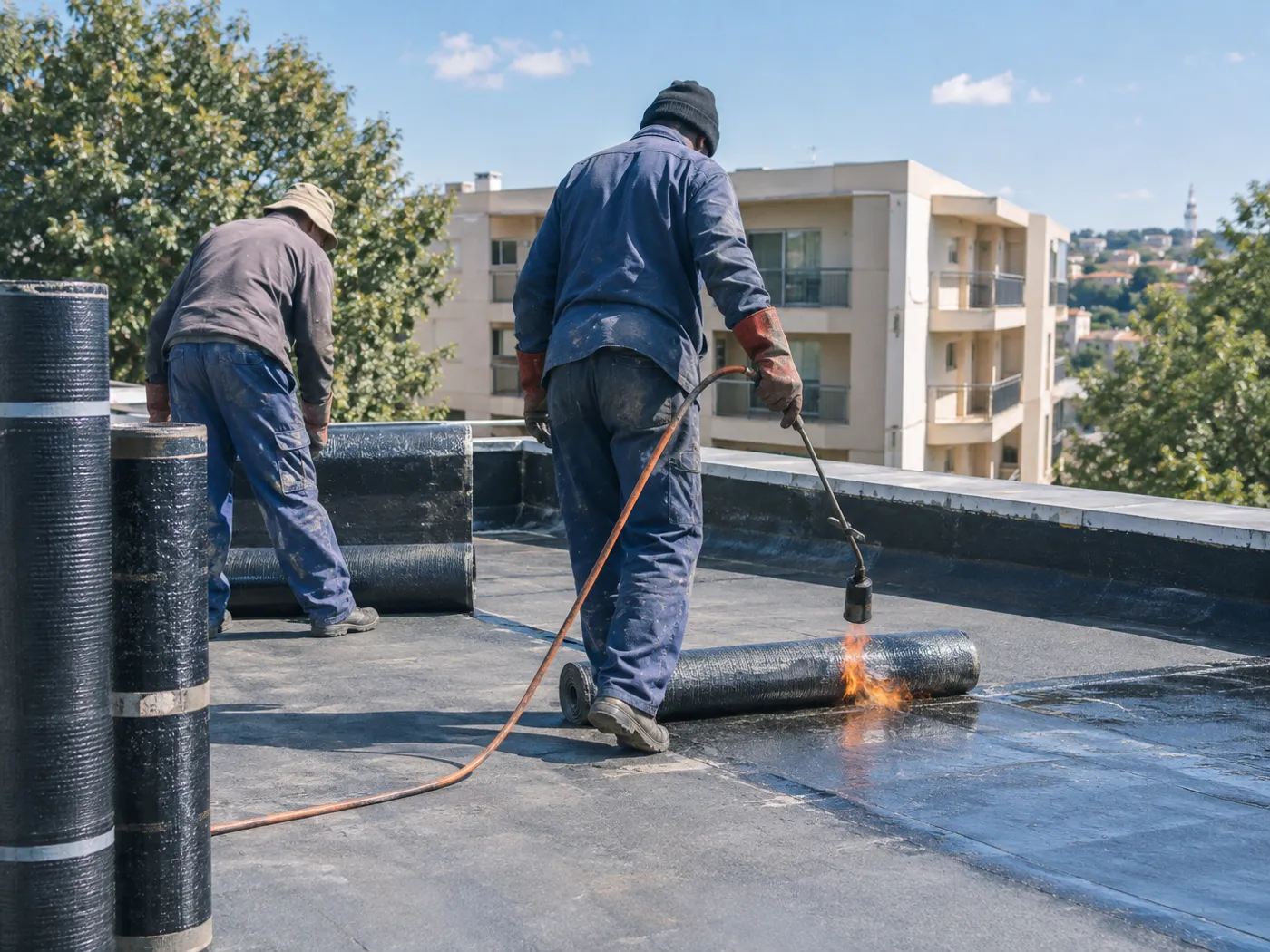
List the major work the scheme may need and group it by asset. For each item, record why it is on the plan, the condition evidence, the likely timing range, what could change that timing and the next information required. A roof covering with no recent inspection should not be presented as a confirmed replacement. A lift report may indicate a component concern without establishing a complete modernisation project.
Trustees can then distinguish three positions: work known and defined, work likely but needing investigation, and work that is only a watch item. This is more honest than assigning every asset a precise future figure. The managing agent can keep the supporting reports, invoices, minutes and quotations connected to each line.
- asset or system and location
- Evidence for the anticipated work
- Timing range and trigger
- Dependencies and access requirements
- Next investigation or approval
Explain uncertainty plainly
A reserve plan is a forecast, not a crystal ball. Condition changes, access affects scope, hidden defects appear and specialist findings can alter the route. Write uncertainty beside the item. ‘Gutter replacement expected after measured failure’ is different from ‘gutters to be replaced in spring’. The first line tells owners what is known and what will confirm the decision.
Its roof line could state that repeated leaks have been recorded at two locations, a prior patch scope is on file, and a current inspection is needed before deciding between local repair and broader work. The gate line could require motor, safety-device and control testing. These evidence steps are part of responsible reserve planning, not a failure to plan.
Keep operating work separate
Daily cleaning, routine servicing, minor repairs and planned major interventions do not belong in one undifferentiated pot. The categories may interact, but owners need to see which work is recurring and which requires longer preparation. A lift service contract is not the same decision as a lift component replacement. Clearing a gutter is not the same as a roof renewal.
Separate records also help the managing agent administer approvals and invoices. Trustees can ask whether an item is routine, corrective, investigative or capital in nature. Where the answer is unclear, record the question and get appropriate professional input rather than forcing the item into a convenient heading.
Turn the plan into an owner conversation
Owners need more than a number. Show the asset, condition, likely work, evidence, timing, consequence of delay and the decision route. Say what is confirmed, what is still being tested and what happens if the inspection changes the scope. Use photographs, short tables and a one-page priority view. Avoid presenting a supplier's preferred solution as the only possible route before the scheme has approved a scope.
The reserve conversation should also distinguish a condition estimate from a procurement result. A report may identify a likely work package, while site access and comparable quotations establish what the scheme can actually appoint. Keep those stages visible. Owners can then understand why the reserve plan is reviewed after an inspection rather than treated as an automatic order. The managing agent's records should include the plan version, date, source reports and decision minutes, so a future committee can see which assumption changed.
Managing agents can help by keeping a dated decision trail: the plan considered, questions raised, records supplied, approval given and review date. Trustees should be able to explain why a reserve is being built for a known future need and why another item is being investigated first.
Do not confuse funding with delivery
A reserve does not itself define the work or appoint a specialist. Once the scheme chooses a route, it still needs a written scope, procurement comparison, responsibilities, quality checks and handover requirements. Dev 360 One can help prepare a condition and risk register, a long-term roadmap and a written funding case for trustees. We do not fund, approve credit or guarantee outcomes. The body corporate chooses the route, appoints the provider and pays.
Keep the approval trail connected to the asset. If owners approve an investigation, file the resolution, scope and resulting report together. If the report changes the likely work, update the plan before asking for a further decision. That sequence prevents a reserve line from becoming an automatic instruction to replace an asset.
A modest, evidence-led plan is stronger than a large unexplained forecast. Put the next investigation beside every uncertain item and make the review date visible. This week: choose one anticipated major work item, attach its best evidence, write the consequence of delay and state the next fact needed before the funding decision can be refined.
What you get
What you get from Dev 360 One
- Reserve work map
- Major anticipated work connected to assets, condition, evidence, timing and dependencies.
- Uncertainty register
- Unknowns, triggers and next investigations shown beside forecasts instead of hidden in assumptions.
- Owner-facing decision brief
- Plain explanation of the work story, consequences, options and approval route.
- Funding case preparation
- A written case that organises condition, roadmap, scope and decision evidence for trustees.
Questions
Does a reserve guarantee that future work will be affordable?
No. It supports planned decision-making but cannot remove changes in condition, scope or timing. Keep the asset evidence and forecast under review and state what remains uncertain. Owners can then see the work story behind the reserve discussion.
What should owners see in a reserve explanation?
They should see the asset, anticipated work, evidence, timing, consequence of delay, uncertainty and next decision. A clear work story is more useful than a balance without context. Mark the forecast as uncertain where condition or scope still needs testing.
Can a reserve plan include investigations?
Yes. A targeted investigation may be the step needed before a repair or replacement decision. Record its question, output, responsibility and how its findings will change the longer-term plan.
Keep reading