
Maintenance and long-term planning · 5 min read
How should a scheme decide whether to repair or replace an asset?
Repair or replace is a condition, risk and whole-life decision, not a reflex based on age, frustration or the first supplier's preferred option.
In short
A scheme should decide whether to repair or replace an asset by comparing condition, safety, recurrence, remaining serviceability, compatibility, access, downtime, maintenance, warranty, whole-life consequence and evidence quality. Obtain a defined specialist finding where needed, then compare like-for-like routes instead of choosing by age or the lowest immediate quote.
Key takeaways
- Age is a clue, not a replacement decision.
- Repeated repairs should trigger a cause and whole-life review.
- Compare downtime, interfaces, maintenance and handover alongside the initial cost.
Repairing an asset can be wasteful when the same failure returns. Replacing it can be wasteful when a defined repair restores reliable service. Trustees need evidence about condition, cause, safety, compatibility, disruption and future care. The phrase ‘it is old’ is a starting question, not a decision. So is ‘replacement costs more’.
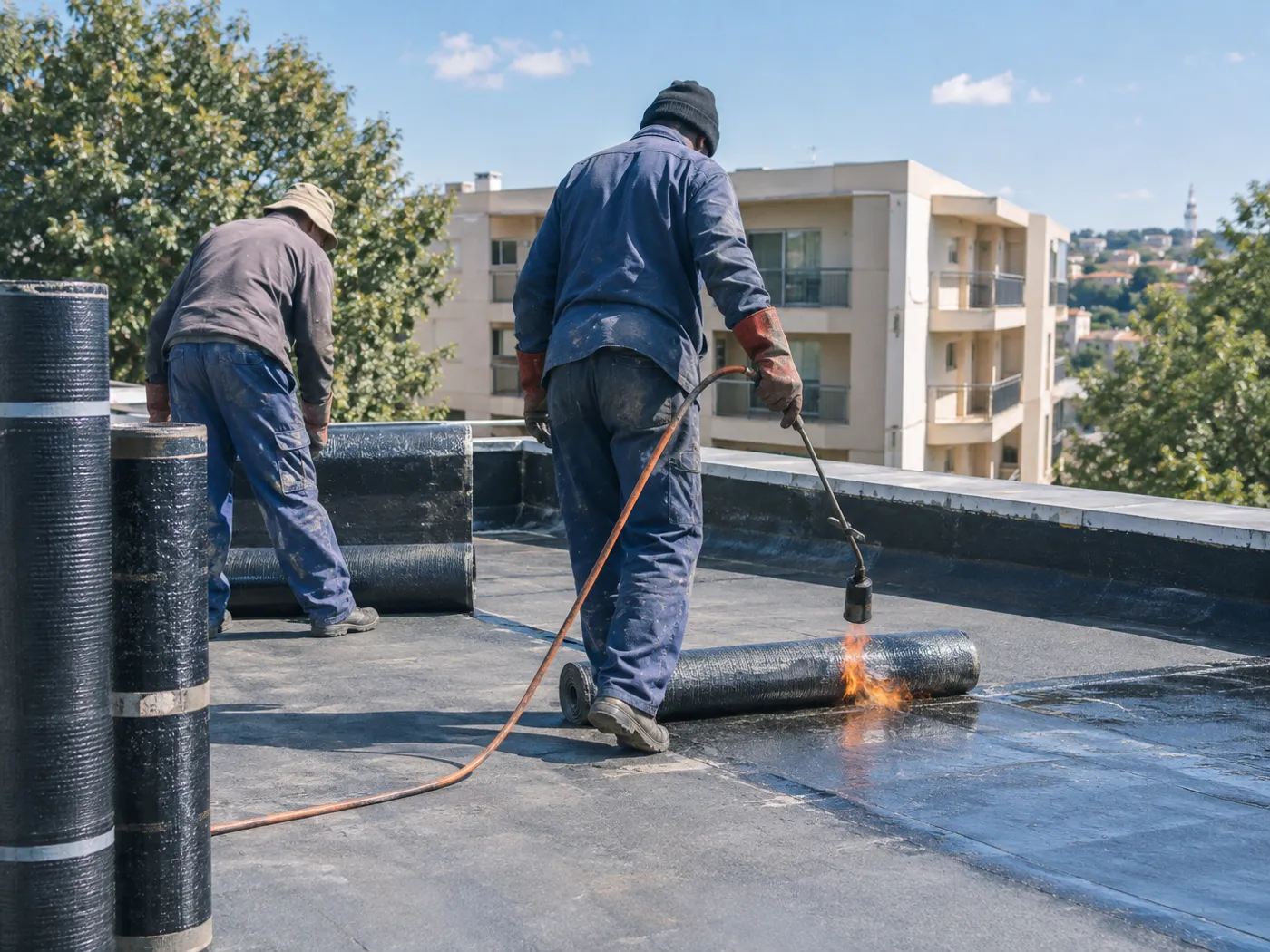
Consider one 44-unit scheme with a vehicle gate that has had three motor call-outs, a roof flashing patched twice and a basement pump that still operates but lacks a clear service record. Each asset needs a different comparison. The gate may need alignment and safety testing; the flashing needs source tracing; the pump needs condition and duty information.
Ask what failed and why
Record the symptom, failed component, operating conditions, prior work and consequence. Ask whether the cause is known, whether the repair addresses it and whether another component will constrain the result. A failed gate motor may be overloaded by a damaged track. A replacement pump may not solve a blocked discharge. A new coating may fail on a wet wall.
The next step may be a specialist assessment rather than two repair and replacement quotes. Request a report that states observations, tests, limitations, recommended routes and what would change the recommendation. This gives the scheme evidence it can explain to owners.
- What failed and where
- Known or untested cause
- History of repeat repairs
- Related components and interfaces
- Evidence needed for a sound choice
Compare the whole consequence
Put repair and replacement beside safety, reliability, remaining service life, access, shutdown, resident effect, compatibility, maintenance, warranty, waste, making good and future inspection. A replacement may require building changes, new controls or a longer outage. A repair may preserve an unsupported component. Write those consequences in the same paper as the price.
Where a decision depends on an assessment, set a stop point before procurement. Do not invite replacement quotes while the scheme still has not decided whether the asset is structurally, electrically or operationally repairable. A short evidence stage can make the eventual comparison smaller and more credible.
With the gate example, compare track correction plus motor testing with a full gate-system replacement. For the roof junction, compare a defined detail repair with broader waterproofing after inspection. For the pump, compare service and test with replacement and discharge modifications. Do not force one rule across all three.
Check interfaces and future care
A new asset rarely operates alone. Confirm power, controls, structure, drainage, access, software or remote controls, adjacent finishes and maintenance responsibilities. Ask what spare information, manuals, labels, certificates or training the scheme will receive. A technically sound replacement can still create an administration problem if nobody knows the settings or service interval.
Ask what the repair route leaves the scheme responsible for next. A repaired roof junction may need inspection after rain. A replacement gate may require a new service contract. A repaired pump may need a cleaning regime. Include those consequences in the option paper and handover, otherwise the scheme compares today's work while ignoring tomorrow's operating burden.
The decision paper should say which evidence comes from a specialist and which choice belongs to the scheme. We can coordinate the assessment, option comparison and handover. The provider remains accountable for its findings and completed work.
Use a decision table, not a slogan
A short comparison table can score or describe safety, recurrence, cause certainty, serviceability, compatibility, disruption, maintenance, warranty and evidence. Do not let a numerical score hide a serious safety concern. Use the comparison table to expose questions and trade-offs, then write the recommendation in plain language with its assumptions.
Consider failure consequence as well as frequency. A rarely used pump may be quiet until a storm, while a frequently repaired gate may be inconvenient but controllable. Ask what happens if each route fails next month, what temporary protection is available and whether the scheme can obtain parts. Then check whether the recommended option fits the building's existing services and long-term plan. The decision comparison table should inform judgement, not turn a complex asset into a single score with no explanation.
If the evidence is incomplete, recommend the next investigation and state what it will decide. A repair option can remain open while the scheme checks a substrate or component. A replacement route can be planned without pretending that appointment is approved.
Close one route and update the plan
Once trustees choose, file the decision, scope, quote comparison, appointment, tests, photographs, certificates, warranties, defects and future care. Update the asset's condition and next inspection. If the scheme chooses repair, record the trigger for reconsidering replacement. If it replaces, keep the old asset history because it explains why the decision was made.
Our view is to distrust both automatic repair and automatic replacement. Dev 360 One can prepare the evidence register, specialist assessment, option comparison, delivery route and handover. This week: select one asset with a repeat fault and write two columns headed ‘what a repair would leave unresolved’ and ‘what replacement would disrupt’ before requesting another price.
What you get
What you get from Dev 360 One
- Repair-or-replace brief
- Failure, cause, recurrence, consequence, evidence gaps and decision question defined for the asset.
- Option comparison
- Repair, replacement or investigation compared by safety, interfaces, disruption, maintenance and warranty.
- Specialist assessment route
- Technical questions, access, tests, alternatives and report outputs organised before appointment.
- Decision and handover file
- Approval, scope, delivery evidence, warranties, defects and future care connected to the asset plan.
Questions
Does an old asset always need replacing?
No. Age should prompt a condition and serviceability review. Safety, recurrence, support, compatibility, maintenance and whole-life consequence matter more than age alone. The choice should state what each route leaves unresolved for the next cycle.
When is repair the better choice?
Repair can make sense when the cause is understood, the surrounding system remains serviceable, the result can be tested and the future maintenance consequence is acceptable. Include interfaces, shutdowns and future service obligations in the comparison.
What if repair and replacement quotes cover different things?
Return to the decision question and write a scope that states the outcome, interfaces, access, testing, reinstatement, warranty and future care. Then compare like with like. Record the trigger that would reopen a repair decision.
Keep reading