
Maintenance and long-term planning · 5 min read
How should maintenance work be phased while residents remain on site?
Live-site maintenance needs a work sequence that protects people, access, services, contents and communication while keeping every package accountable.
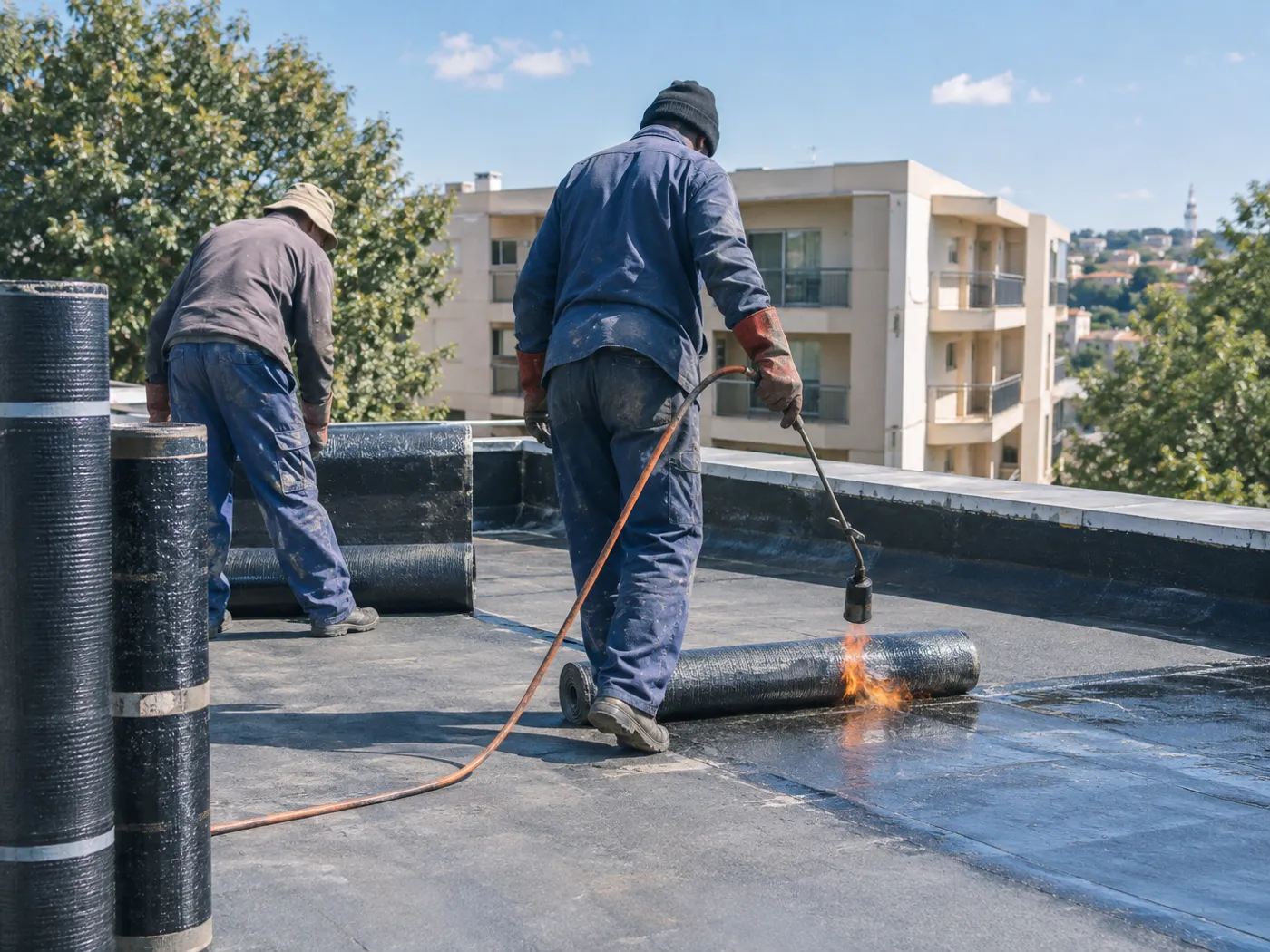
In short
Maintenance on a live site should be phased by area, service, risk and resident impact. The plan should define work zones, access, protection, notices, working hours, shutdowns, storage, cleaning, testing, emergency contacts, defects and handover. A staged programme gives the managing agent and trustees control without hiding disruption.
Key takeaways
- Divide work into zones with clear start, finish and handover conditions.
- Resident access and service continuity belong in the scope, not a last-minute notice.
- A phase is complete only when its defects and records are checked.
Maintenance becomes a live-site project when residents, visitors, vehicles, pets, deliveries and daily services continue around it. The scheme needs more than a contractor start date. It needs work zones, access routes, protection, notices, shutdown controls, cleaning, testing and a handover condition for each phase. Otherwise one delay spreads across the property and nobody knows which area is safe to reopen.
To illustrate live-site phasing, take a 70-unit scheme repainting two stair cores, repairing a roof edge and replacing common-area lights. The work uses scaffolding, affects a pedestrian route and may require short electrical isolations. A single instruction to ‘complete all works’ hides too many interfaces. Staging them lets the managing agent communicate and trustees check progress.
Divide the project into controlled zones
Live-site maintenance phasing starts with controlled zones, resident routes and handover conditions. Define each zone by block, elevation, roof section, passage, service area or system. State the work, access, protection, start condition, completion condition and handover record. Link zones where one must precede another. Roof repairs may precede interior painting. Electrical isolation may precede a lighting change. Scaffolding may block a route that needs an alternative first.
The programme could complete one stair core while the other remains open, sequence the roof edge before repainting the affected interior, and replace lights by circuit or area with temporary illumination. The programme should show who can reopen each zone and what evidence is required.
- Zone boundaries and resident route
- Work and access restrictions
- Protection and daily clean-down
- Service shutdown and restart test
- Phase handover and defects check
Write resident protection into the scope
Specify barriers, dust and noise control, protection of vehicles and contents, safe pedestrian routes, weather response, working hours, deliveries, waste, cleaning and emergency contact. State how the provider reports an inaccessible area or unexpected condition. Notices should be issued early enough for residents to change plans, but they should not promise dates the programme cannot support.
On this project, the managing agent owns the communication route and administration. Trustees need to approve disruption that affects access or services. The provider needs a site contact who can make practical decisions within the agreed authority. Clear roles reduce arguments when weather or an unexpected defect moves a phase.
Control shutdowns and interfaces
List services that may be isolated: water, electricity, lighting, access control, lifts or drainage. State notice, duration, alternative arrangement, responsible person and restart test. Put adjacent work packages on one interface map. A roofer, painter and electrician should not each assume the other has protected the same passage or removed the same obstruction.
The phase plan should name the person who can stop work when conditions become unsafe and the person who can approve a change. It should also state how materials are stored, how waste is removed and how a shared route is reopened. These details feel ordinary until a scaffold, wet coating or isolated service affects daily life. Writing them first makes the site calmer and the decision trail clearer.
For the example, the lighting phase should include temporary illumination and a test before residents use the area. The roof phase should define weather stop conditions and protection below. The trustees decide the appointment and the scheme pays approved work. Technical delivery and warranty responsibility stays with the appointed specialist.
Manage changes without losing the plan
Live sites reveal hidden conditions. Record the finding, photograph, safety consequence, proposed change, authority, time and cost effect, and whether the sequence changes. Do not allow an informal instruction to turn a defined phase into an untracked variation. If the change affects residents or a later package, update the notice and programme.
Residents should know how to report a problem during the works and what information helps, such as zone, time, access obstruction or service affected. The site contact should log those reports with the phase instead of treating them as informal complaints. A change in resident access can reveal a design or sequencing problem early. Include a daily or phase-end check for barriers, cleaning, lighting, routes and temporary signs, then record who accepted the area back into use.
A blocked access route may require a different scaffold arrangement. Damp behind paint may require investigation before coating. A damaged cable may change a light replacement into an electrical assessment. Recording the decision protects the scheme and gives the provider a clear boundary.
Handover each phase
A phase closes when the area is safe to use, work is checked against scope, waste is removed, defects are listed, services are tested and records are filed. Keep photographs, reports, certificates, warranties, cleaning confirmation and outstanding actions. Do not wait until the final phase to discover that the first zone has no completion evidence.
The One live-site route can build a phase plan, resident-impact schedule, interface map, change record and handover checklist. A live-site programme should make inconvenience predictable and defects visible. This week: choose one upcoming job, draw its work zone and resident route, then write the shutdown, protection and phase-open conditions before the contractor starts.
What you get
What you get from Dev 360 One
- Live-site phase plan
- Zones, dependencies, access, services, start conditions, completion conditions and handover records sequenced.
- Resident-impact schedule
- Notices, routes, working hours, protection, shutdowns, contacts and contingencies arranged clearly.
- Interface and change log
- Package boundaries, unexpected findings, approvals, programme effects and variations recorded.
- Phase handover checklist
- Safety, cleaning, testing, defects, photographs, certificates, warranties and open actions checked.
Questions
Should live-site work be completed in one contract?
Not necessarily. Staging or separate packages may reduce disruption and clarify specialist responsibility, provided interfaces, access and handover are written clearly. Give residents a reporting route during the work and record phase-end checks.
How much notice should residents receive?
Set notice timing in the programme based on the access or service impact, then update it when the approved sequence changes. Do not promise an unconfirmed date. A change in access or service should update the notice and programme.
What happens when hidden damage is found?
Make the area safe, record the condition and pause the affected decision if needed. Obtain approval for a defined change or assessment, then update the programme and resident communication. Name the person who accepts an area back into use.
Keep reading