
Scheme assessment and intervention · 5 min read
How should a scheme explain an assessment to owners?
Explain the question, evidence, decision and next step in plain language, without turning an early hypothesis into a promise or a scare story.
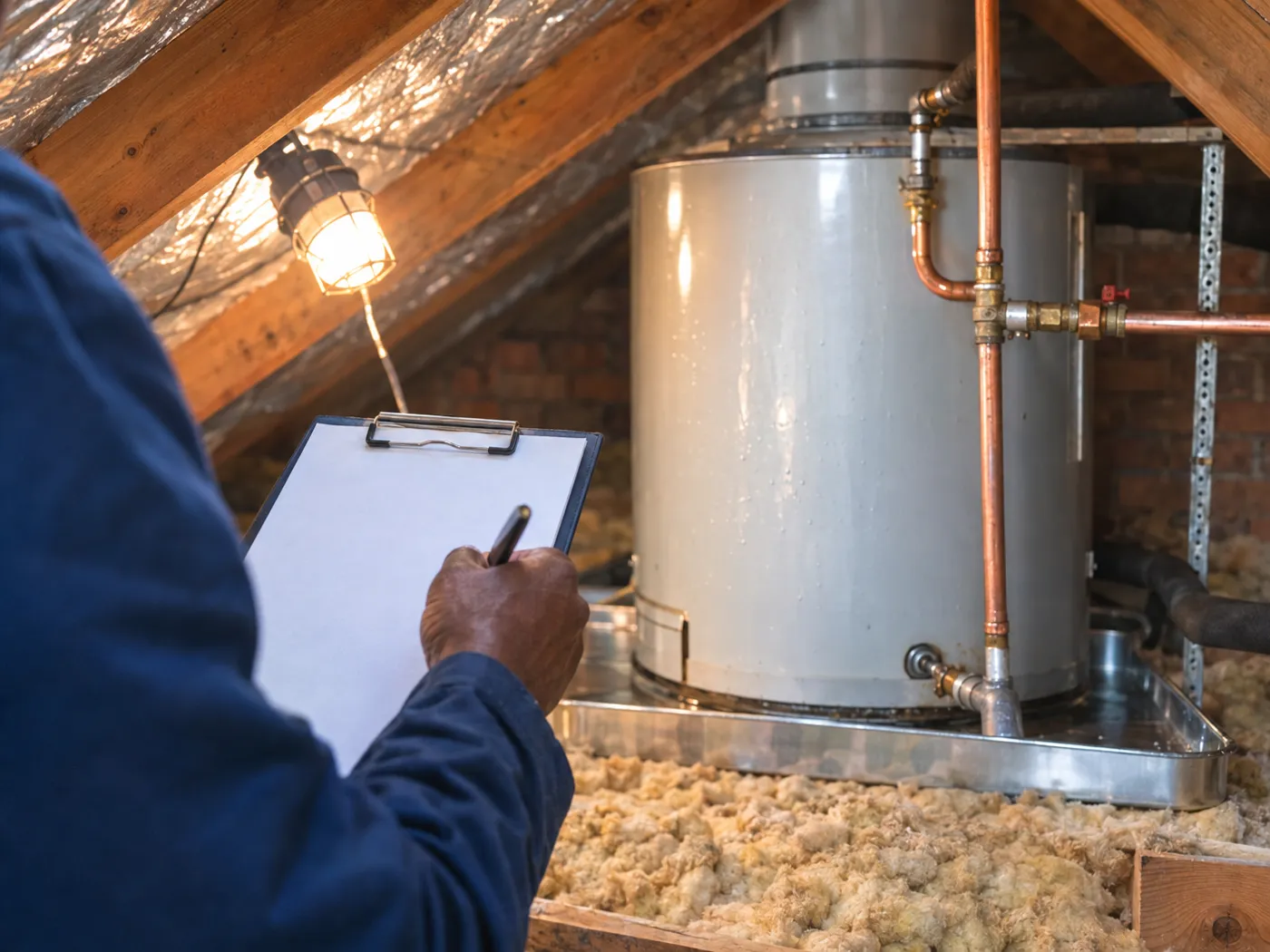
In short
A scheme should explain what is known, what remains uncertain, why the assessment is needed, what it will produce, who decides and what happens next. Use a short decision paper linked to the evidence. Avoid presenting a reported symptom or working hypothesis as a confirmed technical finding.
Key takeaways
- Owners need the reason for the assessment before they need every technical detail.
- State what the assessment can answer and what it cannot answer.
- A visible next decision reduces suspicion better than an oversized attachment pack.
Owners usually ask four questions: what is wrong, why now, what will it cost and who decided? A scheme communication that answers none of them creates space for rumours. A technical report pasted into an email may contain useful facts but still fail to explain the decision in front of the owners.
The better approach is a short explanation with a clear boundary. State the reported problem, evidence already available, uncertainty that needs testing, assessment output, approval route and next decision. Owners do not need a false certainty. They need to see that the scheme has a method. Communicate scheme assessment clearly by naming the decision before the detail.
Lead with the decision
The first paragraph should say what owners are being asked to understand or approve. For example: the trustees request approval for a targeted inspection of recurring water ingress so the scheme can identify whether the source is roof, plumbing or adjacent-unit related before permanent repair is chosen.
That sentence does several jobs. It names the action, reason, alternatives still open and the limit of the current knowledge. It is stronger than we have a serious leak and a contractor will investigate because it gives owners a decision they can examine.
- What is the scheme asking owners to decide?
- What evidence prompted the request?
- What will the assessment produce?
- What remains undecided?
- When will the next update arrive?
Separate known and unknown
Use headings such as known, reported and still to be tested. Known may include dated photographs, account readings, a prior report or a confirmed access failure. Reported may include an owner's account of smell, noise, recurrence or timing. Still to be tested may include source, extent, responsibility or repair method.
This language prevents a hypothesis becoming a public fact. It also makes the assessment feel purposeful. Owners can see why the scheme is paying for an inspection rather than asking why the trustees did not simply choose a repair.
A useful owner paper can show a small table: evidence, implication, proposed action and approval needed. For a water account, the table might show the statement period, readings received, unexplained gap and proposed reconciliation. Owners can challenge the inputs without having to interpret a specialist report in isolation.
Explain consequence without drama
State why delay matters in practical terms. Damage may spread, a service may remain unreliable, a maintenance decision may be deferred or a project may be priced on weak information. Do not exaggerate consequences that the evidence does not support. A calm explanation is more credible than a warning that every unresolved item is an emergency.
For a utility discrepancy, explain that the account and available readings do not reconcile for the same period, so the scheme needs evidence before choosing recovery, plumbing work or metering. That gives owners a reason for the sequence without claiming that a particular unit caused the difference.
Show options fairly
Owners do not need a menu of every conceivable intervention. They do need to know whether the scheme considered a targeted assessment, immediate protection, monitoring or a wider project. Put the chosen route beside the reason it fits the evidence and consequence.
If one quote includes scaffolding and another excludes it, do not call them competing prices. Explain that the scopes differ and that the scheme is defining the work before making a fair comparison. Owners can then see that a lower figure may not describe the same outcome.
Answer cost questions carefully
A communication should state the commercial decision available at that stage without inventing a final repair cost. An assessment may have a defined cost while the permanent work remains unknown. Say what the first approval covers and what later approval will be needed.
For trustees, this protects the meeting paper from promising a full project before diagnosis. For managing agents, it gives owners a clear answer when they ask why another approval may follow. The point is not to avoid the question; it is to distinguish assessment cost from the work that assessment may recommend.
Give owners a record
Tell owners where the decision, report and future update will sit within the scheme's record process. State who receives questions and which matters require trustee or owner approval. A communication should not invite every owner to direct a specialist independently, especially when access and technical instructions must be coordinated.
After the assessment, report what was found, what remains open and what decision follows. If the finding is inconclusive, say so and identify the next test. Confidence grows when an unresolved answer is explained rather than hidden.
An owner communication pack can include an owner-ready decision paper, evidence summary, options comparison and question list. We can also help trustees and agents structure the update after the assessment. The scheme controls its governance and approvals; technical findings remain with the appointed specialist.
- Owner decision paper
- Known-unknowns summary
- Options comparison
- Question and answer sheet
- Post-assessment update
This week, draft five lines for one assessment: the problem, what is known, what is uncertain, what the assessment will produce and what owners will decide next. Ask a person unfamiliar with the issue to read it. If they cannot state the decision, simplify the opening.
What you get
What you get from Dev 360 One
- Owner-ready paper
- The issue, evidence, assessment purpose, decision and next update explained without technical fog.
- Options summary
- The chosen route and alternatives compared by scope, consequence and remaining uncertainty.
- Question sheet
- Plain answers for owner concerns about timing, authority, cost, access and follow-up.
Questions
Should owners receive the full technical report?
They should receive the information and records required by the scheme's communication and governance arrangements. A short decision paper can introduce a detailed report, explain its purpose and identify what owners must decide. The right level depends on the work and the scheme's process.
What if owners disagree with the assessment?
Record the concern, identify whether it changes the evidence or authority and bring the decision through the required process. Disagreement is easier to handle when the question, scope and consequence are visible rather than buried in competing accounts.
How should trustees explain uncertainty?
Name what is observed, reported and still to be tested. Explain what the assessment will establish and what decision follows. Owners can understand uncertainty when it has a defined question and a next step.
Keep reading